Marine Rescue NSW volunteers completed 235 search and rescue missions across the state’s waterways during June, safely returning 548 people to shore as demand for the service remained strong despite cooler weather.
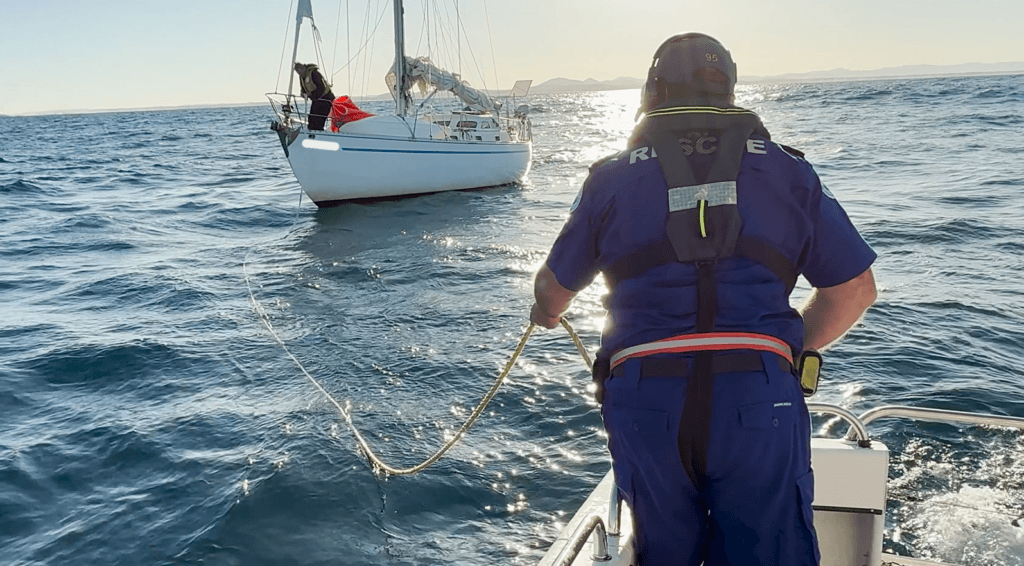
Almost 40 per cent of the missions undertaken during the month were emergency responses, with Marine Rescue NSW Commissioner Todd Andrews reminding boaters that preparation is critical before heading onto the water.
“Winter is no time for complacency. Boaters must remain vigilant, as weather conditions can change rapidly and water temperatures are colder.”
Cold shock can occur within seconds, while prolonged exposure can lead to hypothermia, which can quickly become life threatening.
“Even on calm, sunny days, falling into cold water can have serious consequences,” Commissioner Andrews said.
“The best rescue is the one that never has to happen, and that starts with being well prepared.”
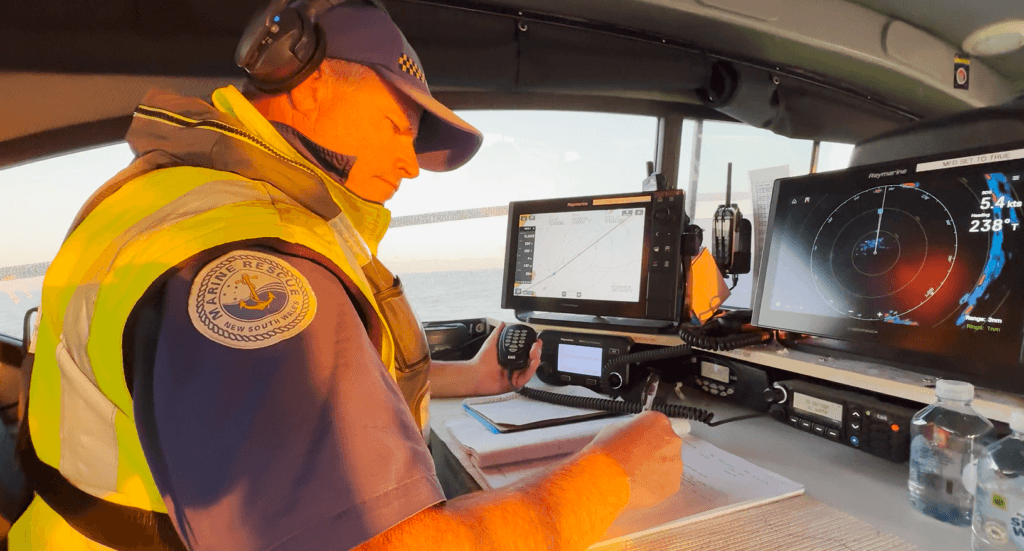
Marine Rescue NSW volunteer radio operators managed 20,267 radio calls during June, including three MAYDAY and two Pan Pan calls.
Radio operators also monitored the safe return of 21,654 people on board 6,341 vessels that Logged On with Marine Rescue NSW before heading out.
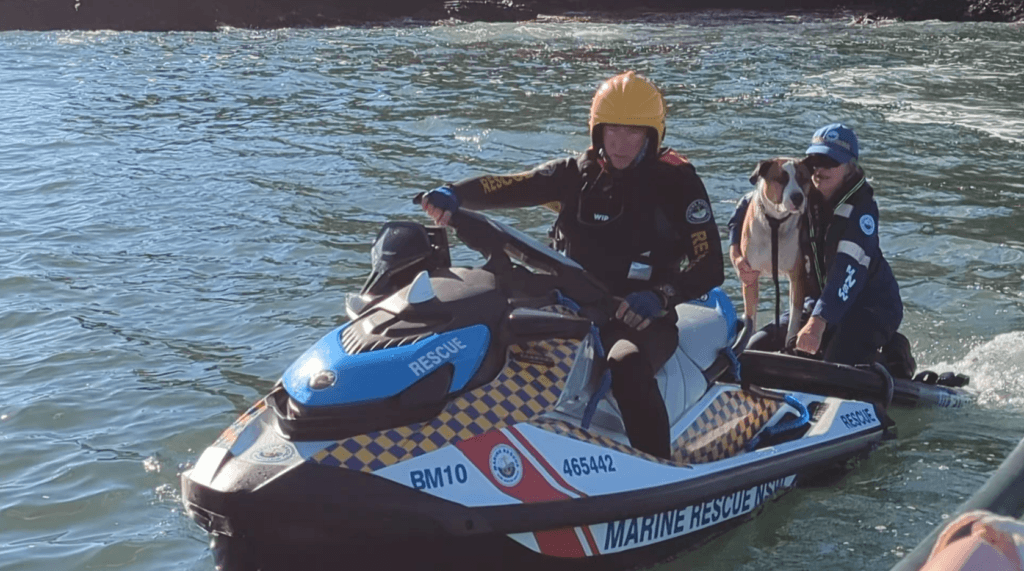
Marine Rescue NSW volunteers responded to a variety of incidents last month including saving a stranded dog after it was swept from rocks at Observation Point. The exhausted animal swam almost one kilometre to Snapper Island before being safely rescued by volunteers from Marine Rescue Batemans Bay (pictured above), who coaxed the dog into their care and transported it on a jet ski rescue sled back to the rescue vessel before returning it to shore.
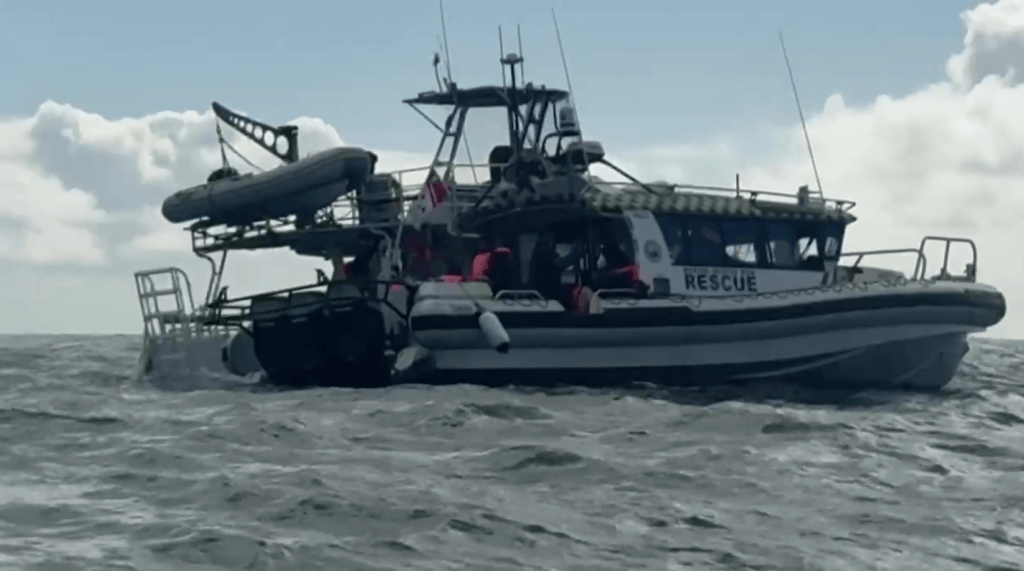
Further north, Marine Rescue Brunswick volunteers battled darkness and deteriorating sea conditions south of Byron Bay to rescue three men stranded on Cocked Hat Rock, after their kayak was swept away by the swell, while volunteers and two vessels from Marine Rescue Point Danger safely transferred 13 people to shore (pictured above) after a commercial dive vessel experienced engine issues and was unable to safely cross the Tweed Bar.
Engine problems continued to be the leading cause of rescue missions during June, accounting for 42 per cent of all responses.
“Many engine issues are preventable,” Commissioner Andrews said.
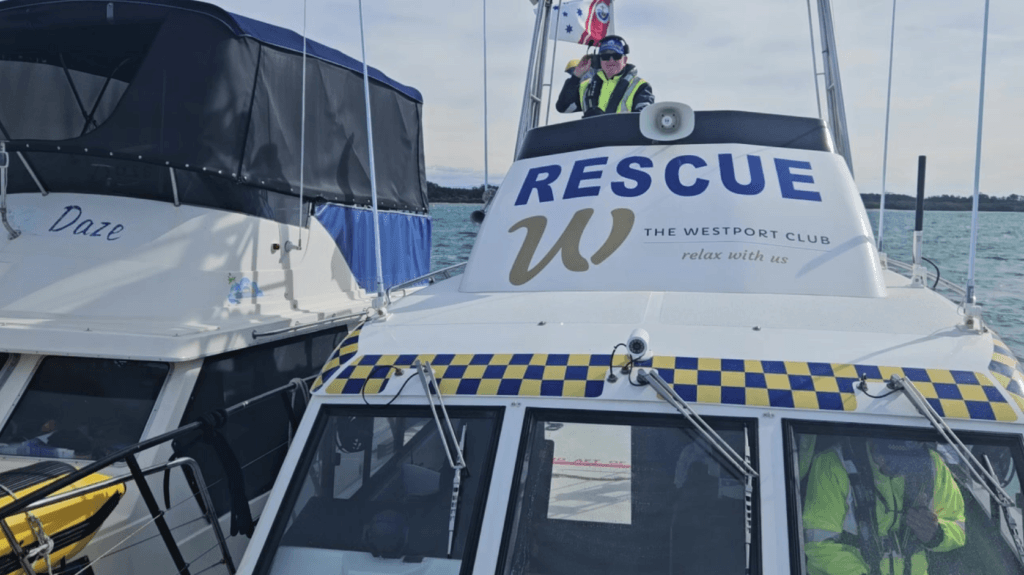
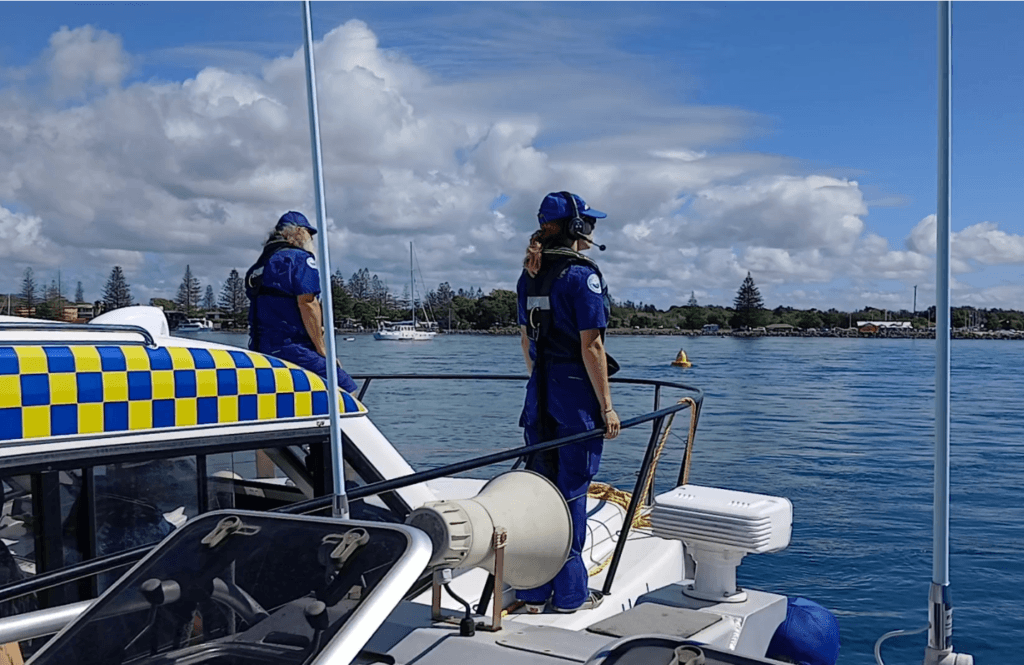
Image: Marine Rescue Port Macquarie return a boater and their vessel safely back to the Hastings River
“Before launching, ensure your vessel is in working condition, your engine has been serviced and all safety equipment is operational. Check your fuel, battery and communications equipment, and always wear a lifejacket.”
Commissioner Andrews urged every skipper to use the free Marine Rescue NSW Log On service, regardless of how far they intended to travel or which waterway they planned to use.
“Whether you’re heading offshore, fishing on an estuary or enjoying an inland waterway, always Log On before you leave and Log Off when you return using the free Marine Rescue NSW app or VHF Channel 16,” he said.
“Our dedicated volunteer radio operators keep watch over your journey. If you don’t return as planned, they immediately begin making enquiries and can initiate a search much sooner. Logging On can save valuable time in an emergency.”
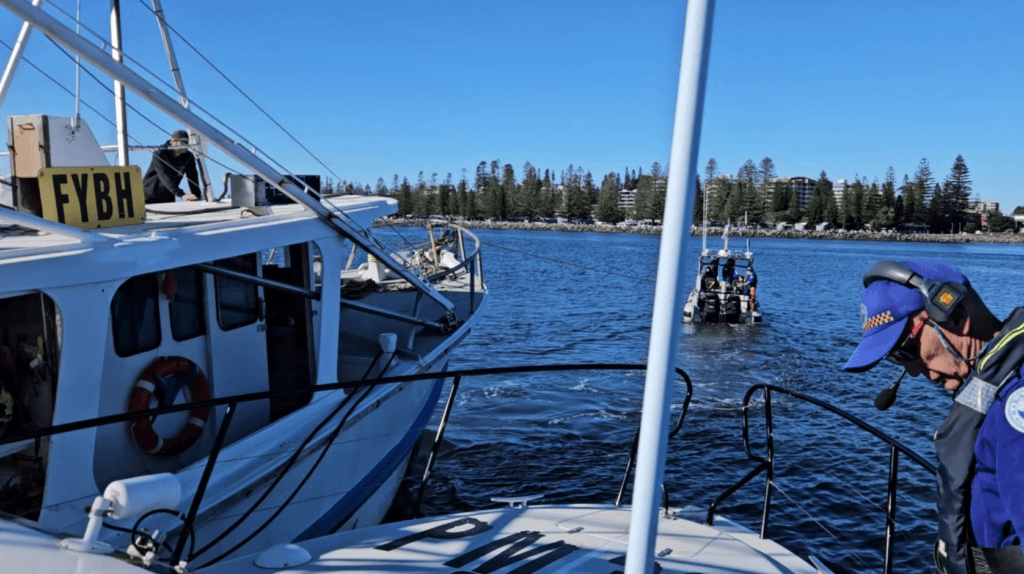
Image: Vessels and crews from Marine Rescue Port Macquarie provide assistance to a trawler
Marine Rescue NSW volunteers on the Mid North Coast experienced their busiest June on record completing 35 search and rescue missions while Marine Rescue Port Macquarie also experienced record demand, undertaking 16 rescue missions.
Commissioner Andrews also reminded boaters to take extra care as the annual whale migration continues along the New South Wales coastline.
“We’re seeing significant whale activity along the coast, and while it’s an incredible sight, boaters must remain alert and follow the required approach distances,” he said.
“If a whale surfaces unexpectedly nearby, immediately reduce your speed, cut your engine and allow the animal to move away safely.
“These are magnificent wild animals and their behaviour can be unpredictable. Give them the space they deserve and always keep a careful lookout for whales, other vessels and changing conditions.
“Monitor weather forecasts throughout your trip, dress warmly and carry extra layers in waterproof bags. Avoid overloading your vessel, distribute weight evenly and stow heavy items as low as possible to reduce the risk of capsizing.
“And remember, if in doubt, don’t go out,” he said.
Breakdown of June 2026 search and rescue missions by region
NORTHERN RIVERS: 24 search & rescue missions including 16 emergency responses with 57 people safely returned to shore across all 7 Northern Rivers units – Point Danger, Brunswick, Cape Byron, Ballina, Evans Head, Iluka Yamba & Wooli.
Locations of highest demand: Point Danger 9, Iluka Yamba 5, Brunswick 4
MID NORTH COAST **REGION RECORD**: 35 search & rescue missions including 19 emergency responses with 84 people safely returned to shore across all 9 Mid North Coast units – Woolgoolga, Coffs Harbour, Nambucca, Trial Bay, Lord Howe Island, Port Macquarie, Camden Haven, Crowdy Harrington & Forster Tuncurry.
Locations of highest demand: Port Macquarie 16 **unit record**, Forster Tuncurry 8, Coffs Harbour 5
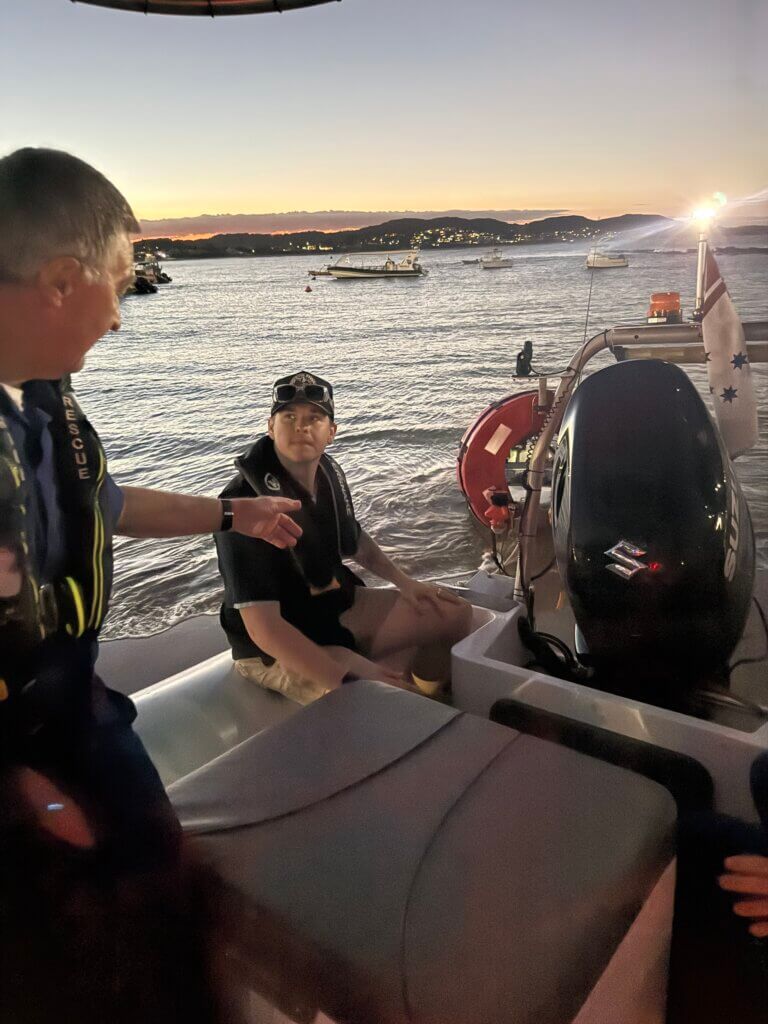
Image: A young fisherman is safely returned to Marine Rescue Terrigal
HUNTER CENTRAL COAST: 65 search & rescue missions including 22 emergency responses with 145 people safely returned to shore across all 8 Hunter Central Coast units – Port Stephens, Lemon Tree Passage, Newcastle, Lake Macquarie, Norah Head, Tuggerah Lakes, Brisbane Water & Terrigal.
Locations of highest demand: Lake Macquarie 29, Port Stephens 14, Brisbane Water 11
GREATER SYDNEY: 73 search & rescue missions including 14 emergency responses with 190 people safely returned to shore across all 7 Greater Sydney units – Hawkesbury, Cottage Point, Broken Bay, Sydney – State Communications Centre, Middle Harbour, Port Jackson & Botany Port Hacking.
Locations of highest demand: Botany Port Hacking 21, Sydney State Communications Centre 20, Middle Harbour 10, Port Jackson 10
ILLAWARRA: 25 search & rescue missions including 12 emergency responses with 42 people safely returned to shore across all 7 Illawarra units – Port Kembla, Shellharbour, Shoalhaven, Jervis Bay, Sussex Inlet, Ulladulla & Kioloa.
Locations of highest demand: Port Kembla 10, Jervis Bay 4, Sussex Inlet 3, Shoalhaven 3, Ulladulla 3
MONARO: 13 search & rescue missions including 9 emergency responses with 30 people safely returned to shore across all 8 Monaro units – Batemans Bay, Tuross Moruya, Narooma, Bermagui, Merimbula, Eden, Alpine Lakes & Moama.
Locations of highest demand: Batemans Bay 6, Eden 3, Merimbula 3