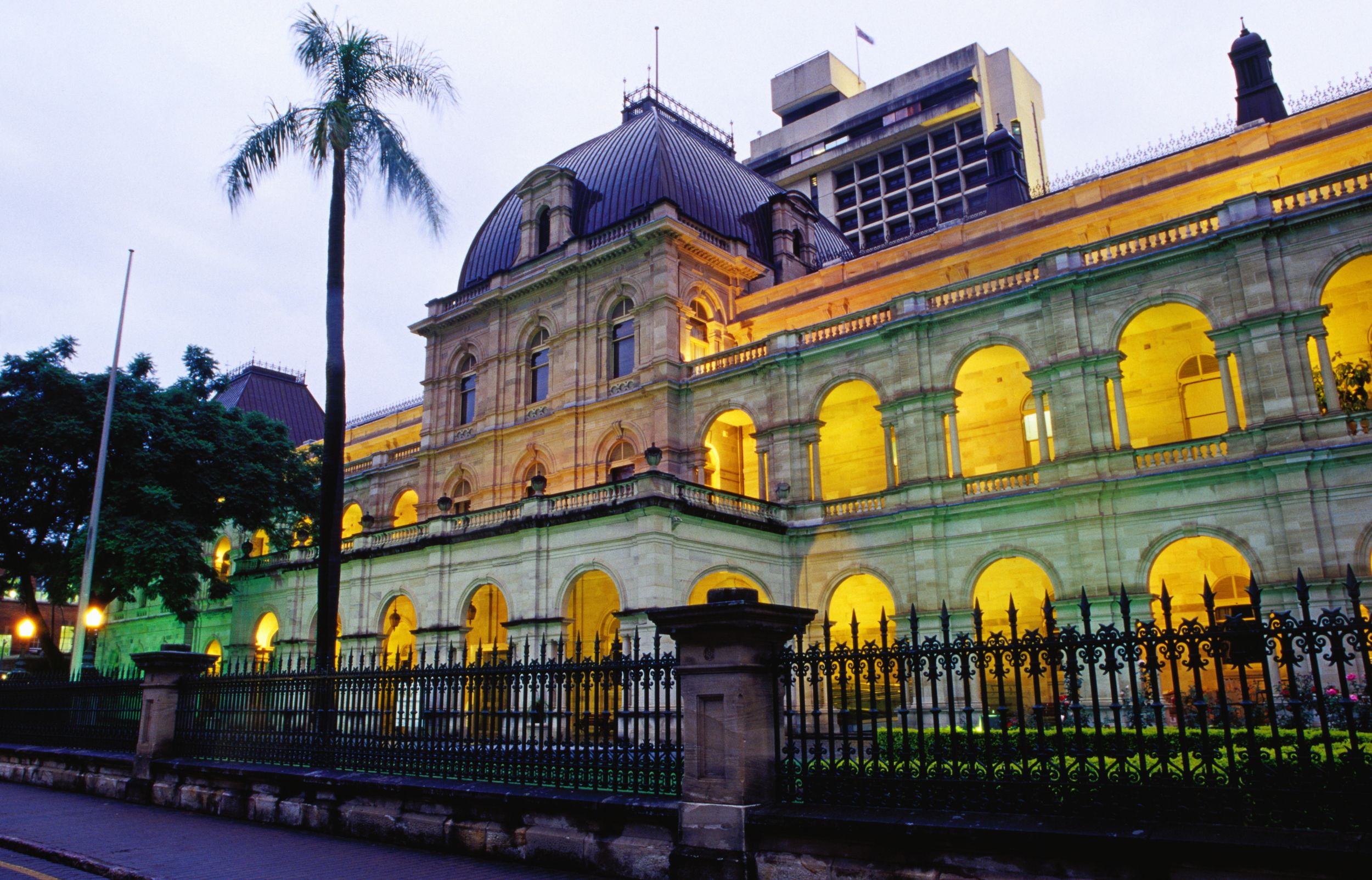
Colors in nature are not always produced by pigments. Pearls, bird feathers, butterfly wings, and opals display brilliant colors through the interaction of light with microscopic structures, a phenomenon known as structural color.
Inspired by these natural phenomena, a research team led by Professor Shu Yin at Tohoku University, in collaboration with researchers from the University of Osaka, National Taipei University of Technology, University of Science and Technology Beijing, and Daito Kasei Kogyo Co., Ltd., has developed a simpler way to produce vivid structural colors.
Conventional structural color materials often require precise control over microscopic structures to produce specific colors, making them difficult and expensive to manufacture. The researchers addressed this challenge by combining the layered structure of pearls with the light-absorbing properties of bird feathers.
Unlike conventional methods, the new approach does not require perfectly arranged microscopic structures. Light reflects and interferes within the irregular layers, while the light-absorbing materials help make the resulting colors more vivid.
The findings were published in Advanced Materials on September 22, 2026.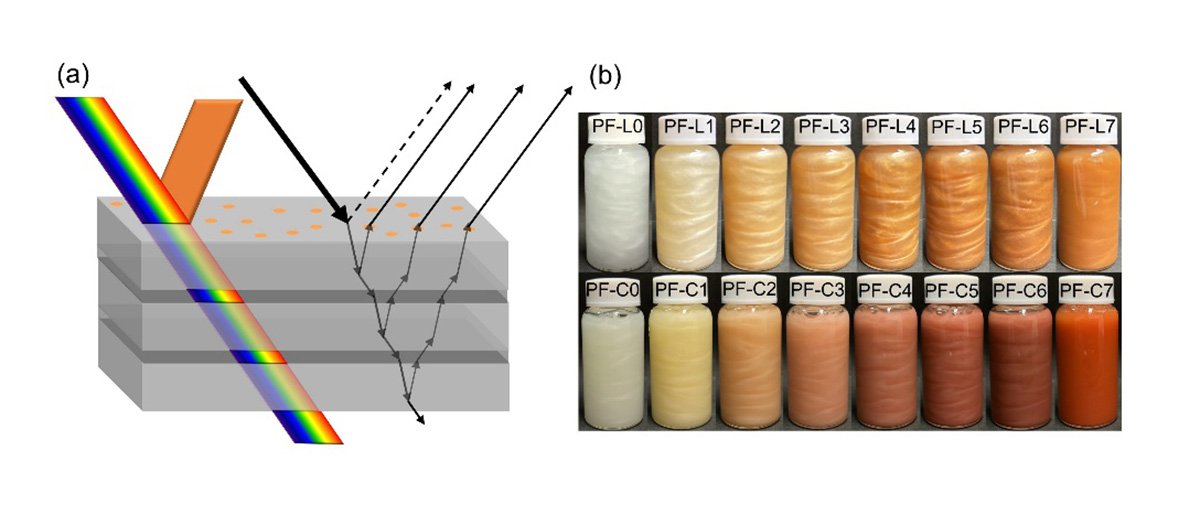
To create the materials, the researchers first produced a layered structure using cerium carbonate hydrate. This material forms thin, irregular layers that reflect light in different ways. As light reflects between these layers, the reflected waves interact, creating a soft, pearl-like white appearance.
The team then added light-absorbing materials, such as iron oxyhydroxide (FeOOH), to the surface. These materials absorb certain wavelengths of light, allowing other reflected colors to stand out more clearly. By adjusting the type and amount of light-absorbing materials, the researchers created a wide range of colors, including red, blue, purple, and green.
To improve the materials’ stability, the researchers used heat treatment to convert cerium carbonate hydrate into cerium oxide (CeO₂) and iron oxyhydroxide into iron oxide (Fe₂O₃). Even after heating, the materials retained their layered structure and pearlescent appearance, which could make them more promising for practical applications.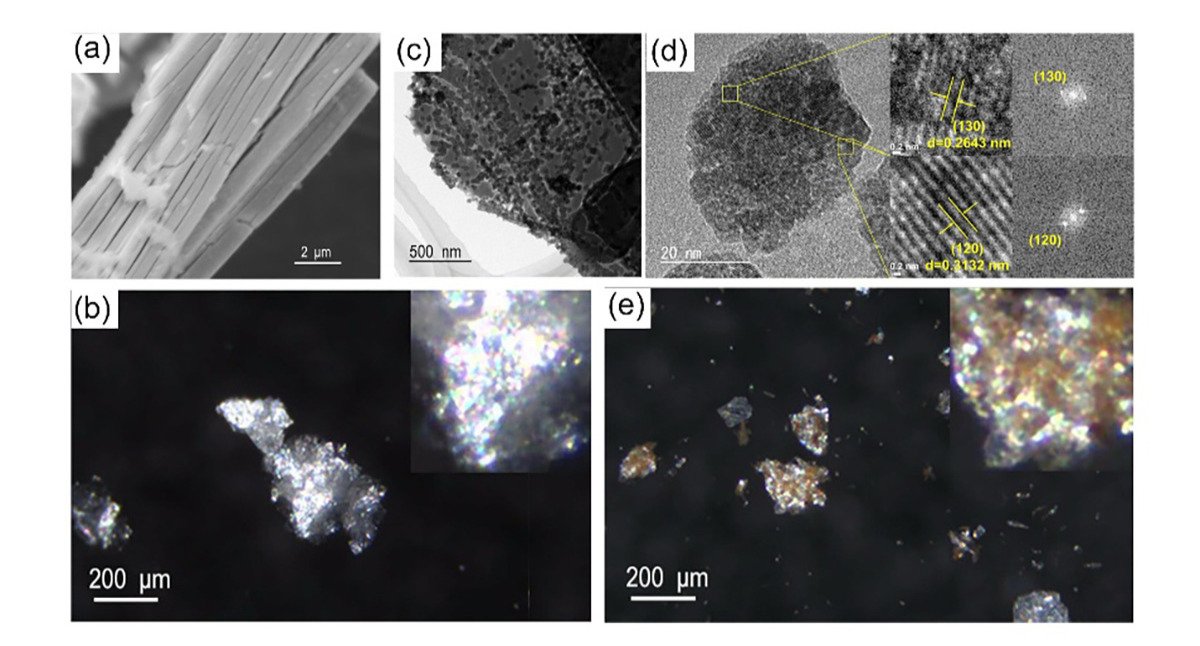
This simpler method for producing structural colors gives researchers more flexibility when designing new materials. To explore how they could be used, the team created colorful artwork and coatings, added the materials to plastics, and even applied them to human skin to explore their potential use in cosmetics.
“Finding a simpler way to create colors is just the beginning,” says Professor Shu Yin. “The next step is to explore how we can use them in everyday life. Our results show that these materials have potential for different applications, and we hope to build on this work in the future.”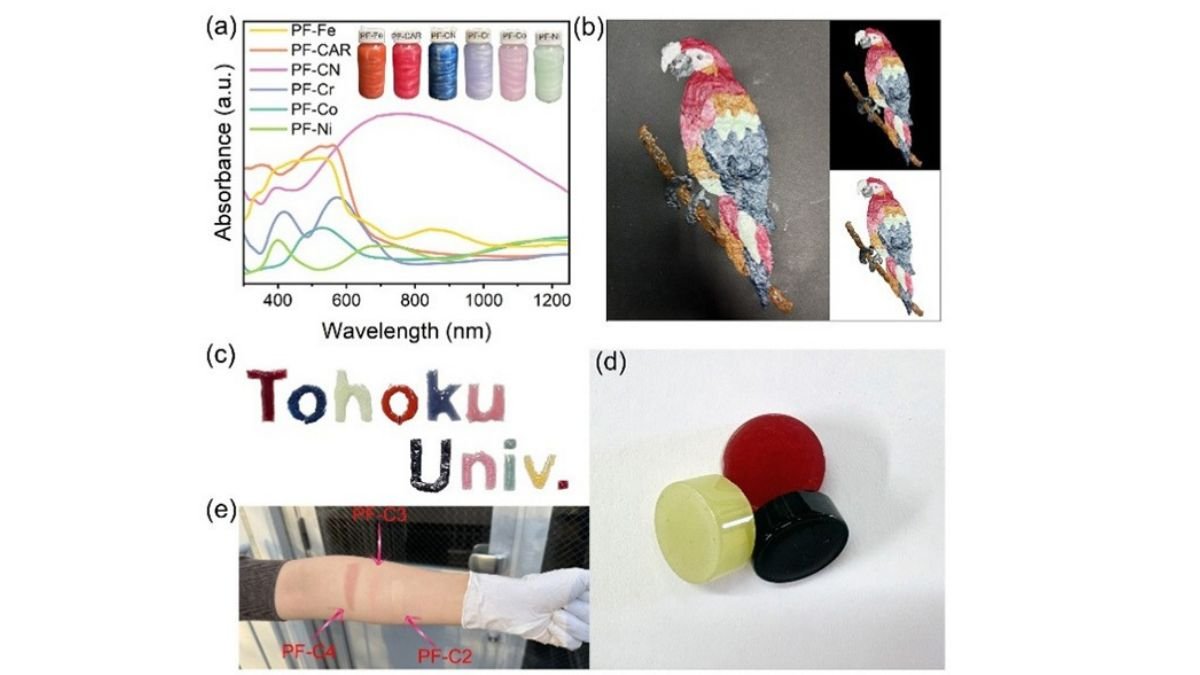
- Publication Details:
Title: Multi-Biomimetic Structural Colors Inspired by Pearls and Bird Feathers
Authors: Zhiwei Wang, Qiuyu Cheng, Qiuyu Jin, Fu Tang, Wenbin Cao, Ayahisa Okawa, Takuya Hasegawa, Takehiro Goto, Natsumi Yamaguchi, Takumi Tanaka, Te-Wei Chiu, Tohru Sekino, Shu Yin
Journal: Advanced Materials
DOI: 10.1002/adma.75074