A collaborative approach to tackling groundcover challenges in the West Midlands was profiled at the recent 2026 Soil Science Australia National Conference in Perth.
A collaborative approach to tackling groundcover challenges in the West Midlands was profiled at the recent 2026 Soil Science Australia National Conference in Perth.
The co-design process is being employed as part of the Sustainable Solutions for Sandy Soils project, which is working with growers, advisors and industry partners to identify local challenges and opportunities to maintain groundcover for soil heath and productivity.
The project is a partnership between the Department of Primary Industries and Regional Development (DPIRD), West Midlands Group, Mingenew Irwin Group and Edith Cowan University, supported by the Australian Government’s Future Drought Fund-Resilient Landscapes Program and the Western Australian Government.
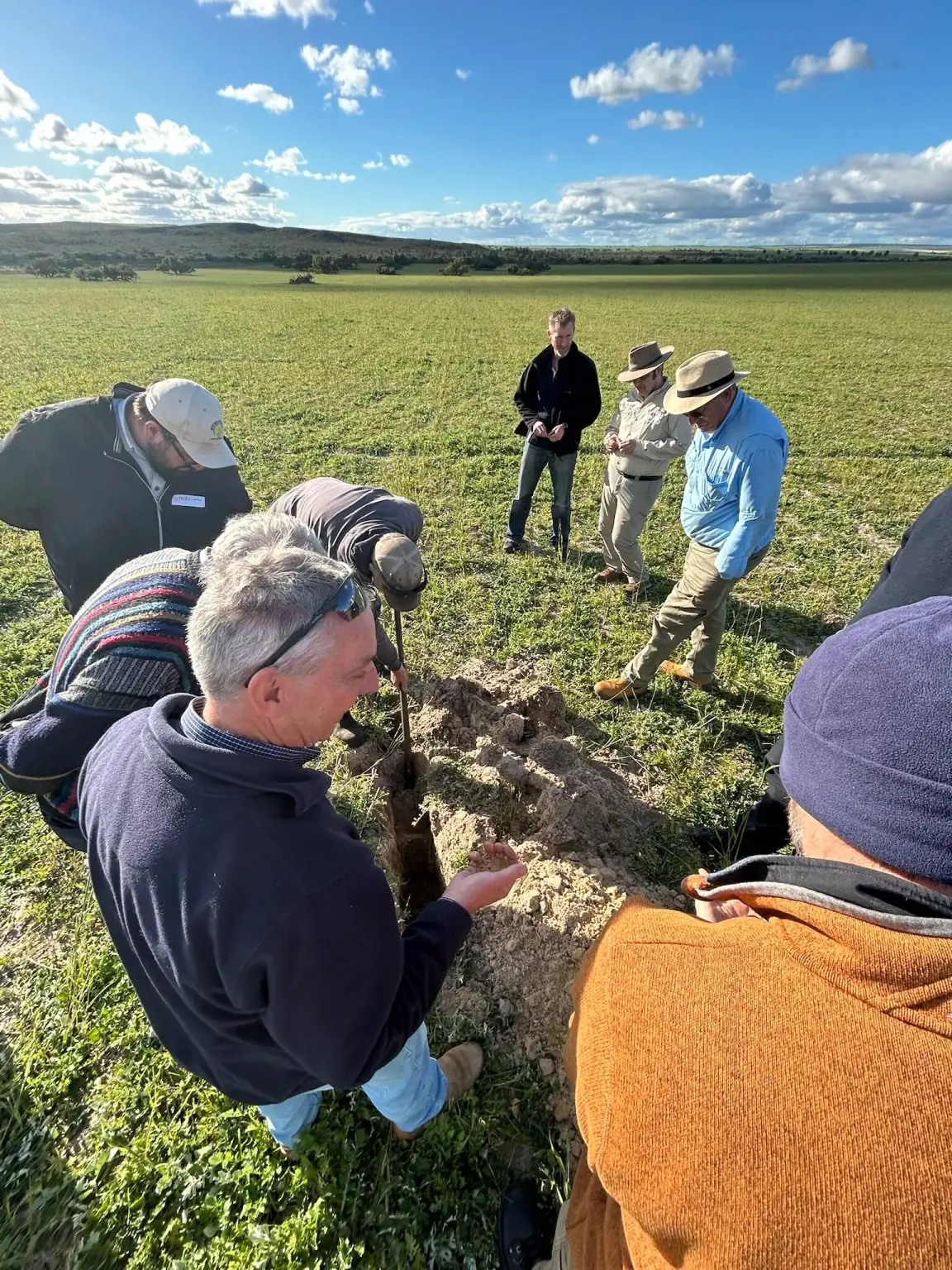
The process includes interviews, workshops, demonstrations and peer learning groups to develop a better understanding of local challenges and opportunities and enhance project delivery.
DPIRD research scientist Mali Eagle said the co-design approach helped to reveal barriers to adoption, ensuring soil management to prevent erosion and support soil function is practical and achievable.
“Drawing on regional intelligence has been really valuable to developing locally relevant solutions,” she said.
“This co-design process recognises that decisions affecting groundcover are made within the broader context of whole-of-farm management so solutions need to be workable, adaptable and relevant to local conditions.
“Early insights from this process highlights the importance of trust, strong partnerships and flexibility in building extension activities that growers see as credible, useful and relevant.”
The West Midlands co-design process has informed the development of extension materials, workshop topics, demonstration activities and communication approaches throughout the project.
Ms Eagle said engagement had brought together participants’ valuable farming systems local knowledge to identify regional priorities.
“The project was intentionally structured to allow activities to evolve in response to stakeholders’ input,” she said.
“An example of this is a focus on claying, which was brought up in peer learning groups as a keen point of interest in the Mingenew region.
“As a result, the project now includes claying demonstration sites, fact sheets and activities designed to support growers interested in evaluating claying as a soil amelioration option.
“This initiative shows improving the impact of soil research in complex, real-world farming systems requires not only robust science but extension approaches that are co-developed, context-responsive and grounded in producer realities.”
For more information about the Sustainable Solutions for Sandy Soils project visit the Sustainable solutions for sandy soils webpage on the DPIRD website.