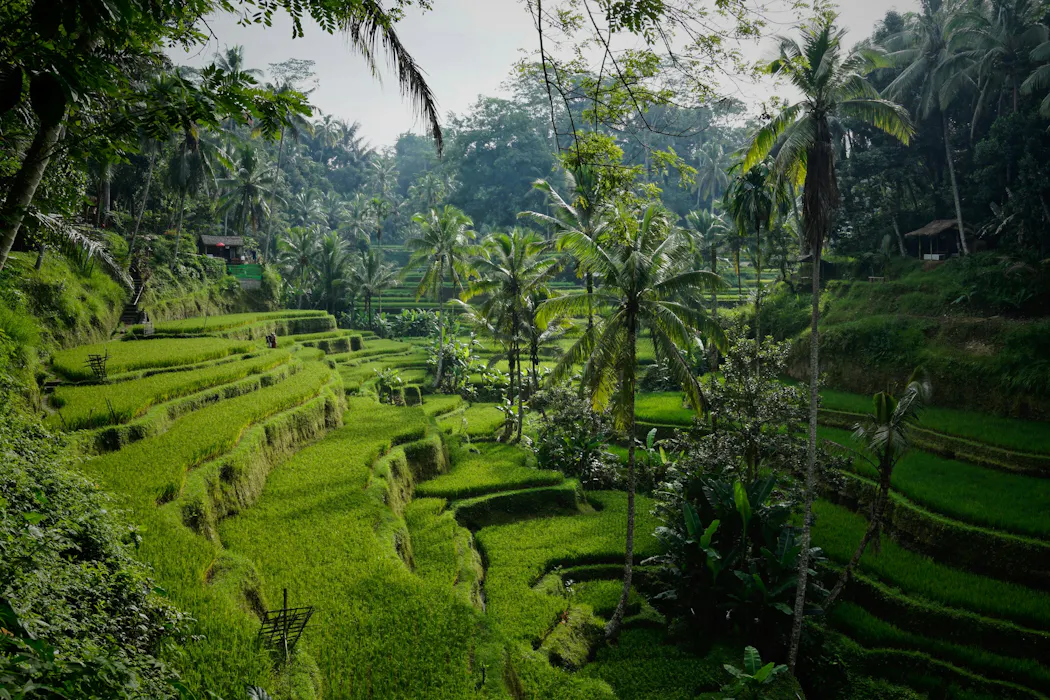
Some of the most popular travel destinations for Australians are also places where dengue is common.
Authors
- Cameron Webb
Clinical Associate Professor, School of Medical Science & Sydney Infectious Diseases Institute; Principal Hospital Scientist, University of Sydney
- Katie Anders
Associate Professor, School of Public Health and Preventive Medicine, Monash University
- Sarah McGuinness
Senior Research Fellow, School of Public Health and Preventive Medicine, Monash University
Prevention has traditionally relied on avoiding mosquito bites. But with the dengue vaccine Qdenga now available in Australia , travellers have another way to protect themselves.
Deciding whether to get vaccinated isn’t always straightforward. Here’s what you need to know.
What is dengue?
Dengue is a viral illness spread by mosquitoes. It typically causes fever, headache, body aches, nausea and rash.
There is no specific treatment. Most people get better in one to two weeks, but for some, fatigue can persist for weeks or months .
Some people will develop severe illness and need hospital care and, in some cases, dengue is fatal.
There are four types of dengue virus. Infection with any type can make you sick. After infection, you’re protected against that type in the future, but can still be infected by the other three. A second infection with a different type can sometimes cause more severe illness than the first.
The reasons are complex, but one is that antibodies left over from the first infection can make it easier for the new virus to infect cells .
People who live in, or frequently travel to, places where dengue is common are more likely to be exposed to different dengue virus types over time.
Where is the risk highest?
Although mosquitoes that can spread dengue are found in tropical parts of central and far north Queensland, local dengue outbreaks are now rare thanks to a successful public health program involving the release of mosquitoes infected with a bacterium that blocks the spread of viruses.
For Australians, the main risk is during overseas travel. More than 1,900 dengue cases were reported in Australia in 2025, largely in returned travellers.
Between 2012 and 2022, Indonesia, Thailand and India were the most common places Australian travellers got dengue . Some popular destinations for Australians, such as Bali, have frequent outbreaks .
Dengue can be more common at certain times of year, and outbreaks can cause case numbers to rise sharply from one year to the next. The risk in many regions is also increasing as a changing climate creates more favourable conditions for the mosquitoes that spread it.
Why has developing a dengue vaccine been so difficult?
A dengue vaccine needs to protect against all four virus types and not increase the risk of severe disease if someone gets infected with dengue after they have been vaccinated.
An earlier vaccine, Dengvaxia, was found to increase the risk of severe dengue in some children who had never had dengue before, and then got dengue after being vaccinated . That experience means new dengue vaccines have been closely studied and assessed for safety .
How well does Qdenga work, and is it safe?
Qdenga uses weakened dengue viruses to teach the immune system to protect against all four types of dengue virus. It is given as two doses, three months apart.
Millions of doses have now been given worldwide, and an increased risk of severe dengue has not been seen following vaccination. In a large study of children and teenagers living in countries where dengue is common, the vaccine prevented about 80% of illness and more than 95% of hospitalisations in the first year.
Protection against hospitalisation remained high for more than four years .
Like all vaccines, Qdenga can cause side effects. In recent European studies , around half of travellers receiving Qdenga reported side effects, most commonly pain or redness where the injection was given, headache, fatigue or muscle aches. Most were mild and lasted one to three days .
There are still some gaps in the evidence. Most studies looking at how well Qdenga prevents dengue have involved children and teenagers. Studies in adults have focused more on immune responses and safety than on directly measuring protection against dengue.
Among people who have never had dengue, Qdenga provides strong protection against types one and two, but there’s more uncertainty around protection against types three and four . As a result, different countries have made different recommendations about who should receive Qdenga.
Qdenga also isn’t suitable for everyone. Because it is a live vaccine , people with weakened immune systems cannot have it, and it’s not recommended during pregnancy .
So, should I get vaccinated?
Getting vaccinated isn’t a simple yes-or-no decision. Advice may differ depending on where you are going, whether you have had dengue before and how much exposure you are likely to have in the future. A discussion with a health professional can help you decide whether vaccination is right for you.
In Australia, Qdenga is recommended for travellers aged four or older who have had dengue before, and for those who haven’t but expect to spend a long time, or make repeated trips, to places where dengue occurs. It costs around AUD$300 for two doses.
For someone who hasn’t had dengue and is only taking a shorter trip, the decision is more individual. Factors such as where you’re going, how long you’ll be there and whether there is a current outbreak can all influence whether vaccination is worthwhile.
What else can I do to avoid dengue?
Whether or not you get vaccinated, avoiding mosquito bites remains important. Aedes aegypti, the main mosquito that spreads dengue, tends to bite during the day, often around the lower legs.
Travellers should use insect repellent outdoors during the day. It’s a good idea to buy it before you leave, as products available overseas may not be tested to Australian standards .
Wearing loose-fitting long pants and covered shoes can provide extra protection. Bed nets can also help if you’re sleeping during the day, particularly somewhere without insect screens.