Vietnam is home to more than 5,000 medicinal plant species, representing around 15% of the world’s known medicinal plants. The sector is rich in biodiversity and cultural knowledge, with growing commercial potential. However, growing demand for medicinal products is placing increasing pressure on natural ecosystems and supply chains.
‘Overharvesting has threatened some species in the wild, while Vietnam is still heavily reliant on imported medicinal materials. Given the growing markets, the Vietnamese government has stated its goal to reduce the dependence on imports and expand medicinal plant exports,’ said Dr Phan Thuy Hien from Vietnam’s National Institute for Medicinal Materials.
Together with colleagues from the University of Queensland, Dr Hien is leading an ACIAR-supported small research activity to examine production systems, value chains and market opportunities for five priority medicinal plant species. Other Vietnamese partners include the Soil and Fertiliser Institute, the Vietnam Women’s Union and Vietnam National University of Agriculture.
‘Our study will generate evidence that can support more sustainable and inclusive development of Vietnam’s medicinal plant sector, including improved production systems, stronger supply chains, and better-informed future research and investment priorities,’ emphasised Dr Hien.
The research aims to identify practical pathways for sustainable development in a sector that is commercially promising and deeply connected to Vietnam’s cultural and healthcare traditions. This is particularly important for ethnic minority communities in remote areas where access to modern healthcare is still limited.
Bridging the knowledge gaps
According to early findings from a literature review newly completed by the team, the sector is shifting from wild collection to cultivation, but significant knowledge gaps remain in crop nutrition, agronomy and sustainable production practices.
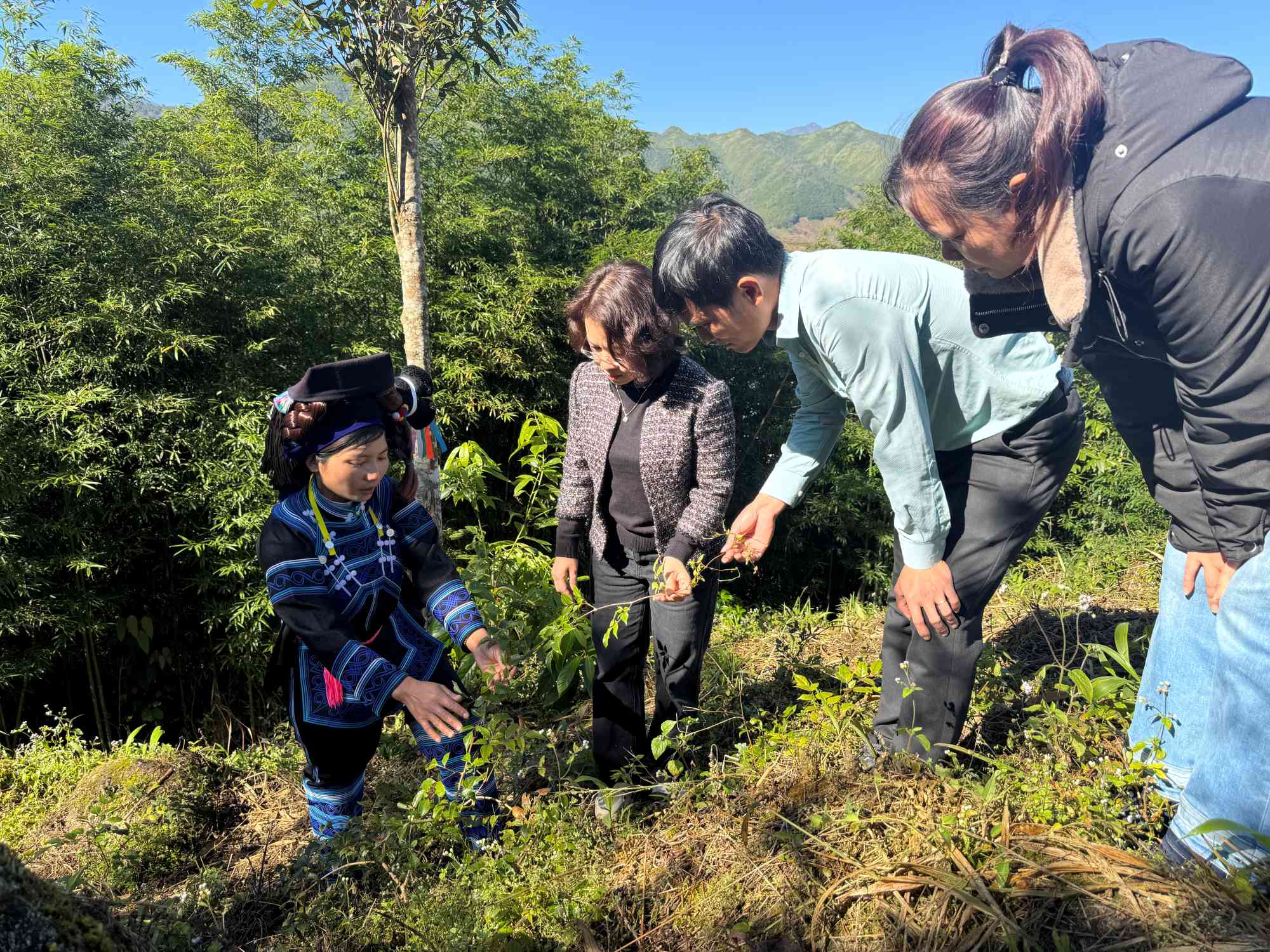
From a survey of farmers, collectors and traders in the northwest region of Vietnam, researchers found medicinal plant growers face many challenges, including poor planting materials, soil fertility, pests and diseases, and increasing climate variability. Even a short drought period can significantly affect production.
Researchers also examined the roles of women and men across the value chain. While both are involved in the production, women often play a leading role in trading and market activities. Understanding these roles will help design more inclusive and effective development strategies for the sector.
Building foundations for the future
Beyond generating evidence, the project is helping strengthen research capacity, professional networks and collaboration between Australian and Vietnamese partners. Researchers and early-career scientists are building skills through survey design, data analysis and value chain assessment.
The activity also brings together several ACIAR alumni, strengthening long-term research networks between Vietnam and Australia.
‘Even at this early stage, it is encouraging to see strong private sector engagement in this work. Inclusive value chain partnerships can create lasting livelihood opportunities and greater choice for rural communities. Supporting strong female leadership, both in research and across the value chain, will also be essential to creating the conditions for greater equity,’ said Dr Jack Hetherington, ACIAR Research Program Manager for Agribusiness.
This small research activity is set to continue until mid-2027.