Leading international scientists, policymakers and Indigenous leaders will converge on James Cook University’s Bebegu Yumba campus in Townsville between July 21 to 23, for a global summit on Coastal Resilience and Habitat Restoration.
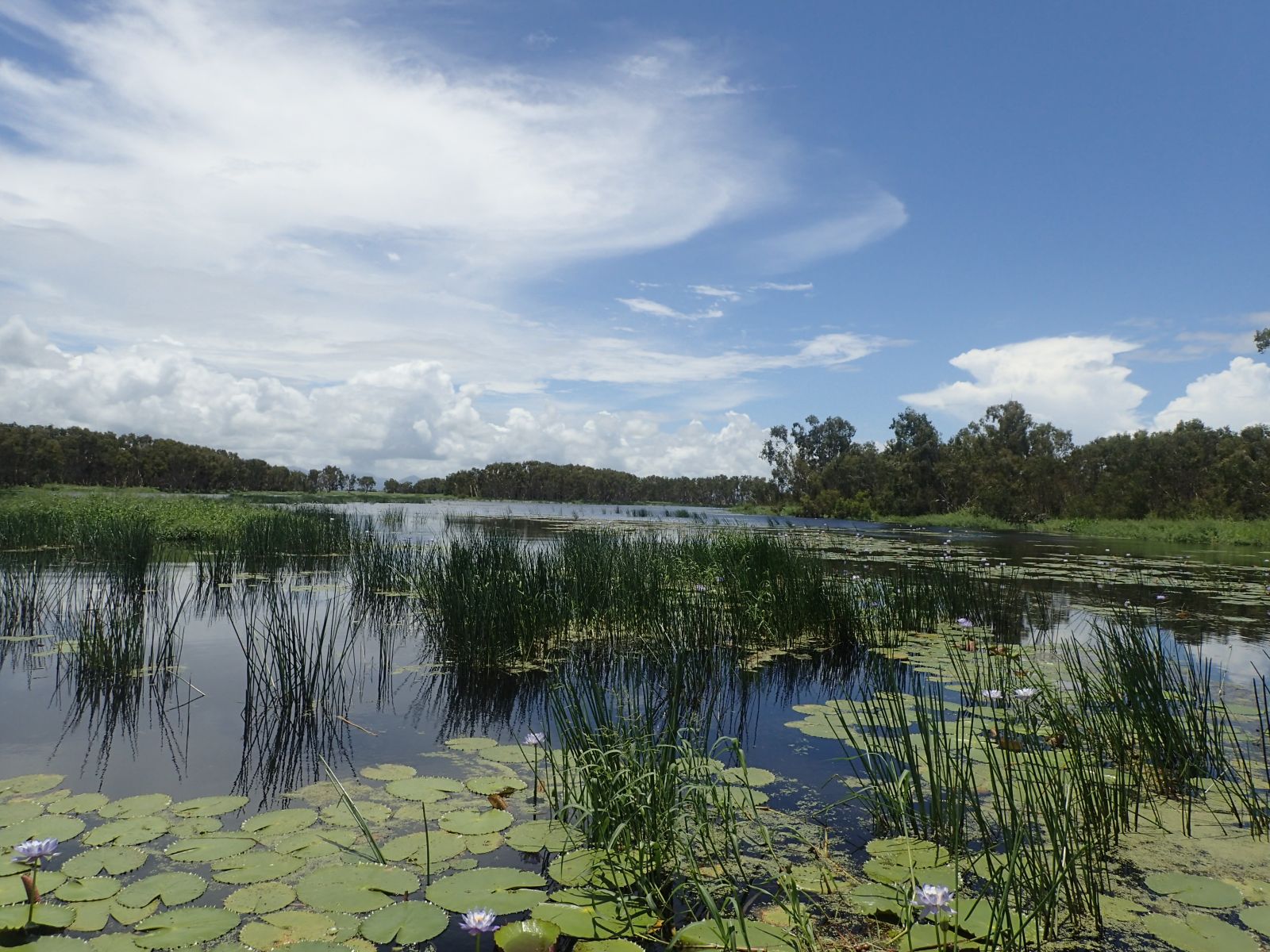
The summit – which includes experts from Australia, the United States and the United Kingdom – will focus on practical solutions to restore wetlands, mangroves, seagrasses and oyster reefs that support fisheries, improve water quality, store carbon and protect coastal communities from climate change.
As part of the summit, a Townsville Statement will be developed, which will include an internationally agreed roadmap outlining priorities to accelerate coastal restoration through science, innovation, policy reform and global collaboration over the next five years.
Associate Professor Nathan Waltham, a coastal wetland scientist at JCU– who is presenting at the summit – said the event would bring together some of the world’s best researchers to share their knowledge and push for more coastal resilience and habitat restoration projects in critical areas.
“We know how important it is to improve coastal resilience and there’s a critical need to accelerate coastal habitat restoration at scale,” Associate Professor Waltham said.
“This summit will bring together some of the world’s leading experts to share their successes and showcase how advances in technology, such as monitoring and data integration, can improve the effectiveness of these projects in critical coastal habitats.
“We will also explore how traditional ecological knowledge can help shape successful coastal restoration and long-term resilience.”
Associate Professor Waltham said the Townsville Statement will be a key outcome of the summit.
“More needs to be done to protect coastal communities and habitats from the impacts of climate change and the Townsville Statement will deliver clear goals and a defined roadmap of how science, innovation, policy reform and collaboration can work together to deliver tangible outcomes.”
“For example, here in the Great Barrier Reef catchments, we know that coastal wetlands and water quality are so important to the future health and resilience of these outstanding ecosystems.”
Senior Advisor to the North Carolina Coastal Federation and one of the U.S. organizers of the summit Todd Miller said the gathering represents an unprecedented opportunity to connect science and government policies with practical actions.
“Around the world, we’ve learned that restoring coastal habitats is one of the most effective investments we can make for cleaner water, healthier fisheries, greater climate resilience, and stronger coastal economies.
“What makes this summit unique is that it brings together scientists, Indigenous leaders, governments, and restoration practitioners to learn from one another and identify practical solutions that can be adapted across countries.
“The Townsville Statement will help capture those shared lessons and strengthen international collaboration well beyond this meeting.
“No single country has all the answers to the challenges facing our coasts. By bringing together the world’s leading experts to share what works—and just as importantly, what doesn’t—we can accelerate restoration efforts worldwide.
“Our goal is not simply to hold another conference, but to build lasting partnerships that improve coastal resilience for future generations.”