Overview
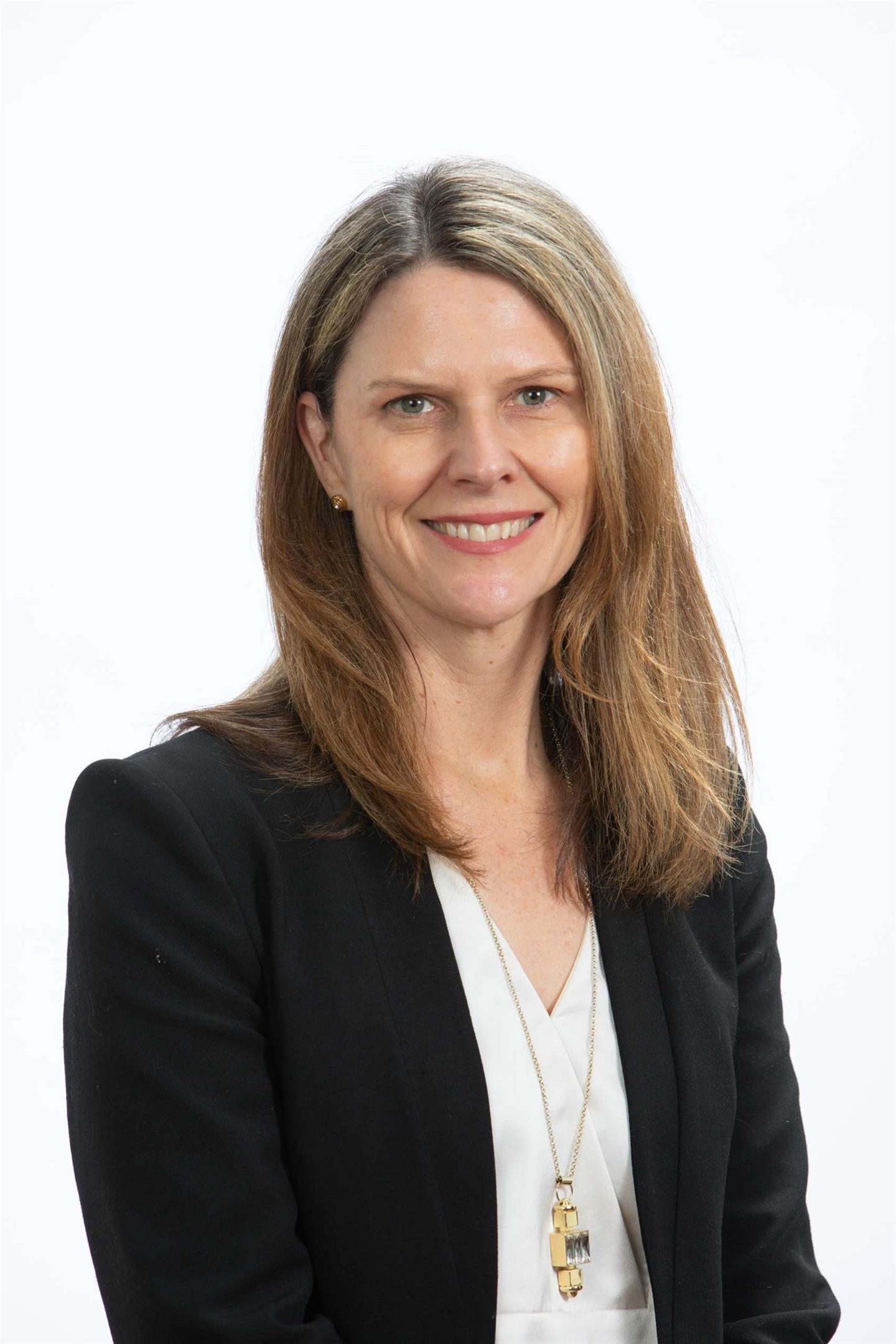
- Kelly Shotton identified a critical challenge facing remote cattle stations and developed BoreWatch, a digital solution that streamlines water infrastructure monitoring, improves data collection and supports more informed decision-making across extensive pastoral operations.
- As a 2026 AgriFutures Rural Women’s Award National Finalist, Kelly exemplifies the next generation of rural leaders, combining practical station experience, technical expertise and entrepreneurial thinking to create solutions that strengthen Australia’s agricultural sector.
- From mustering cattle as a station pilot to leading the development of an emerging agtech platform, Kelly is helping shape a more efficient and sustainable future for the pastoral industry by using technology to improve one of its most critical resources: water.
A plume of dust rises like ochre smoke from hundreds of hooves padding deeply marked tracks. From her bird’s eye view, 2026 AgriFutures Rural Women’s Award National Finalist Kelly Shotton watches the cattle walk towards the water trough in single file.
The 29 year old pilot loves to watch the livestock come from all directions to drink as the sun eases its way towards the horizon, their well-trodden paths permanent highways etched in the arid Northern Territory landscape.
Water is everything to remote cattle stations, the lifeblood coursing far below the diverse and often harsh countryside.
“There’s no station without water. It means everything to the well-being of the cattle, and in turn affects your stocking rates,” Kelly explains.
Kelly has been living and breathing remote station life for nearly four years, since she first ventured north from her home in Victoria’s Rochester for a taste of the jillaroo lifestyle. A qualified electrician, the young Victorian was working in the automation systems in the food and beverages industry when she felt the calling of the big sky country. When a job in Central Queensland came up at Isis Downs Station – part of the Consolidated Pastoral Company (CPC) – she took the plunge.
“I always wanted to work on a station – but being 25 at the time, I thought maybe I’d missed the boat,” she says. “I thought I’d only be there for a year and then I’d go back to being a sparky. I remember thinking, ‘what the heck am I doing out here getting bugger all money per day?’ But I fell in love with the industry and the lifestyle and the opportunities that it brings.”
The ringer moved with the station’s managers to the Northern Territory’s Newcastle Waters – another vast cattle property within the CPC’s portfolio, with 11 stations making up some 5.5-million hectares across Australia’s top end. When the chance came up to train as a company pilot, Kelly took it with both hands.
“I was never going to be a head stockman as such- I liked to call myself a glorified personality hire,” she laughs. “After three months in Darwin I got my pilot license and came back to Newcastle Waters and then to Bunda Station.”
Flying a Cessna 172, Kelly’s days consisted of everything from working in the station’s office, to maintenance to mustering – with a lot of checking of the stations’ water supply infrastructure. This daily monitoring of the hundreds of pumps, bores, tanks and troughs spread out across hundreds of kilometres planted a seed of an idea.
“When I started bore running, it was all filled out on paper. I found that it was messy and often the paper was lost. There was no way to track historical data and it took so much time to analyse,” Kelly says. “As pilots, we all use iPads. I thought, ‘there’s no reason this can’t be a push button type process’. I played around with Excel spreadsheet but couldn’t find what I wanted.”
The innovator came across an online platform that helped build apps using Artificial Intelligence. After playing around for a couple of months, Kelly built a program she dubbed BoreWatch, which could track inputs like tank level, bore output, trough percentages and how many cattle were gathered around the water points at any one time. The app could then analyse the data and compile reports that tracked the station’s water infrastructure. While the platform was designed to simply make Kelly’s job more efficient, the response from others was so strong that she realised it “had more legs” than she originally thought.
Kelly and BoreWatch recently won the Northern Territory Agrifutures Rural Women’s Award after Kelly’s mum, Sandra Watkins, sent her the application. Kelly received a $15,000 grant, which the pastoral innovator will put towards the app’s development and commercialisation.
“The connections that Agrifutures has to offer is insane. The people that you’re put in touch with or share your story with is phenomenal. The community has so many arms reaching out being like, ‘hey, I love your idea. How can I help?’. It was just so much more than I could have expected.”
Now based in Darwin undergoing further pilot training in the larger aircraft Cessna 421 as CPC’s head pilot, Kelly has many balls in the air. When she’s not studying or working on BoreWatch, the fitness enthusiast can be found training for her first half Ironman to be held in Perth in December. The Northern Territory is now home, with its opportunities as endless as its horizons.
“I love hanging out with friends, rodeos, campdrafts, fishing. Everyone is like-minded, enjoying the outdoors,” she says. “I love the authenticity of the people here, and just how welcoming everyone is. I’m so free to be who I am.”