The James Cook University-led PacMOSSI consortium welcomed over 40 mosquito scientists and Pacific Island health officials gathered to Nadi, Fiji this week, against a backdrop of the Pacific’s most severe dengue season in recent memory.
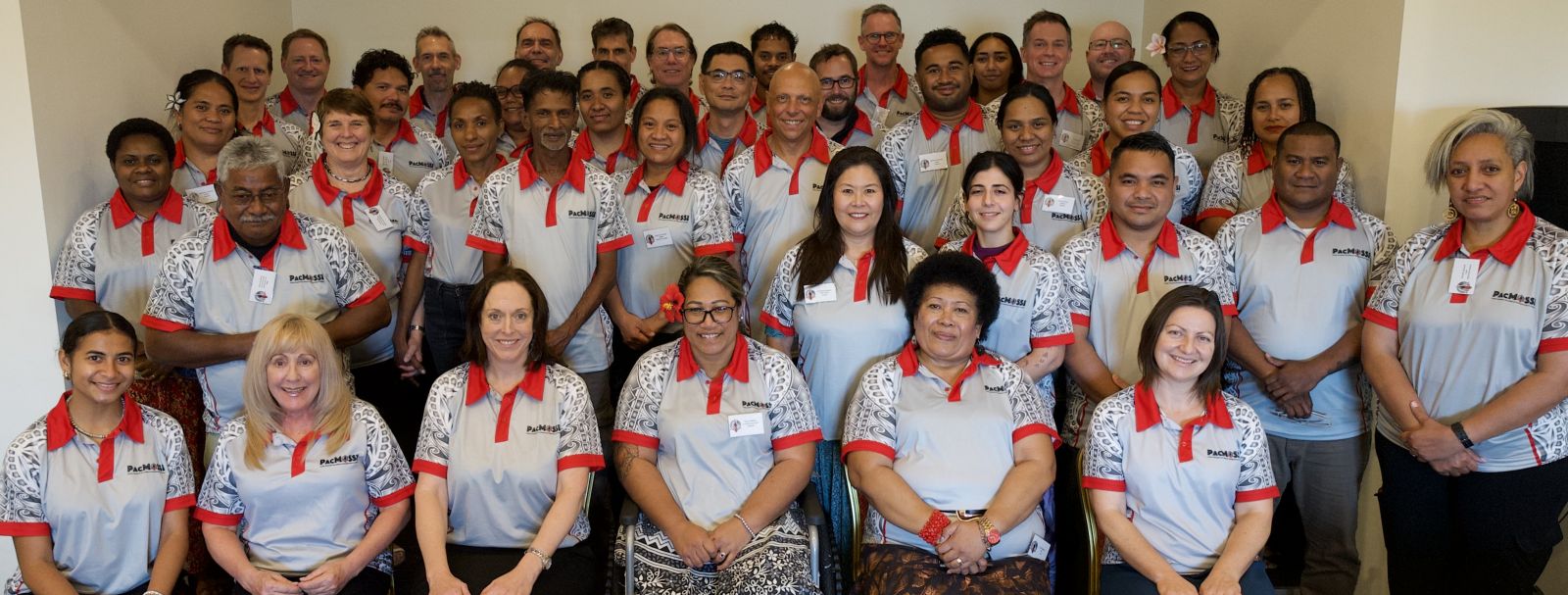
Led by James Cook University, the Pacific Mosquito Surveillance Strengthening for Impact (PacMOSSI) consortium was established in 2020 and includes The Pacific Community (SPC), QIMR Berghofer Medical Research Institute, University of Queensland, Papua New Guinea Institute of Medical Research, Institut Pasteur New Caledonia and Beyond Essential Systems.
The joint annual meetings of PacMOSSI and the Pacific Vector Network (PVN) come on the back of a 2025 season where the disease swept through at least 10 Pacific Island countries, translating to the highest regional confirmed case counts in over a decade.
PacMOSSI Director and JCU Associate Professor Tessa Knox saiddelegates worked through an agenda spanning the full arc of regional challenge, from the frontline realities of the 2025 dengue outbreaks to the scramble to access mosquito control supplies during a crisis.
They also looked at how to bring communities on board for spraying operations, through to sessions on mosquito resistance to insecticides, digital tools for tracking and sharing surveillance and control data, and cutting-edge technologies that use mosquitoes’ own biology against them.
“Widespread dengue outbreaks across the Pacific in 2025 really taught us some lessons on the importance of information, experience and resource sharing,” Professor Knox said.
“PacMOSSI aims to provide tailored support to Pacific ministries of health to promote preparedness and support responses to vector-borne diseases.
“These meetings are a key part of building strong linkages and ensuring appropriate support from partners to help with this.”
The annual meeting drew together participants from 20 Pacific Island countries and areas alongside representatives from seven international partner institutions and other partner organisations.
It served as the consortium’s primary platform to review progress, share achievements and set technical and operational priorities for 2026 and beyond.
The PacMOSSI meeting was followed by the PVN convening, a country-led technical support mechanism coordinated by the World Health Organization (WHO), the Pacific Island Health Officers’ Association (PIHOA) and The Pacific Community (SPC).
“2025 saw unprecedented dengue outbreaks across the Pacific,” said SPC Senior Epidemiologist and PVN Secretariat member, Dr Sala Saketa.
“It was clear that working together – countries, institutes and donors – was the only way to get through it.
“PacMOSSI and PVN offer the opportunity for experience and resource sharing across the region, from small island nations to their larger counterparts.”
The co-convening of the two meetings reflected a deliberate strategy to eliminate duplication, align priorities, and maximise the impact of limited regional resources –particularly important for the small island nations that make up the majority of Pacific member states.
For further information, visit https://pacmossi.org/
About PacMOSSI
PacMOSSI is a regional partnership of 21 Pacific Island Countries and areas with 7 international institutions working to combat mosquito-borne diseases throughout the Pacific. It comprises a series of initiatives coordinated by James Cook University in collaboration with The Pacific Community (SPC). PacMOSSI receives support from the Australian Government through the Partnerships for a Healthy Region initiative, and from the French Government, the New Zealand Government and the European Union through SPC.
About the Pacific Vector Network (PVN)
The Pacific Vector Network is set up to provide a sustainable and coordinated regional mechanism to upscale vector management activities in the Pacific Island Countries and Territories. PVN is a service of the Pacific Public Health Surveillance Network and operates with support from the World Health Organization (WHO), The Pacific Community (SPC), and the Pacific Island Health Officers’ Association (PIHOA).