New research on iconic Australian crane species the Brolga has shown important genetic differences between northern and south-eastern populations, with evidence those in western Victoria are at increased risk, likely heightened by loss of wetlands.
The Macquarie University-led research analysed DNA from feathers collected by citizen scientists and collaborators between 2009 and 2023. Two genetic ‘clusters’ were identified: one representing Victorian brolgas and the other comprising individuals from New South Wales, Queensland and the Northern Territory.
This genetic divergence reflects reduced ‘gene flow’ between Victorian Brolgas and those living further north, the researchers say in the study, just published in the international journal Conservation Genetics .
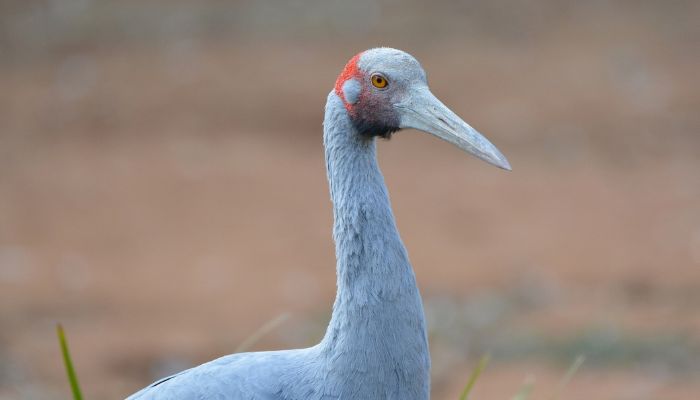
A Victorian Brolga. Picture: Stephen Downes
Opportunities for genetic mixing in the species are limited by breeding seasons that are ‘out of sync’ because of the different timings of wet seasons in tropical and temperate regions. Brolgas arrive to nest and breed after rainfall inundates wetlands – winter-spring in the temperate south versus summer-autumn in the tropical north.
Recent surveys suggest there are fewer than 1000 adult Brolgas in the southern population, as compared with an estimated 50,000 to 100,000 in the northern range across Queensland, the Northern Territory and Western Australia.
The researchers’ simulations of future Brolga population genetics under different ‘bottleneck’ scenarios suggested the smaller southern cluster – located mainly in western Victoria – is at a higher risk of losing genetic diversity.
However, the researchers noted their assessment of genetic diversity suggests even the larger northern Brolga population is vulnerable to ongoing threats such as habitat degradation.
Brolgas depend on wetlands for nesting and roosting during the breeding and non-breeding season, and they forage in wetland and non-wetland habitats. Urban expansion, agriculture and climate change are driving widespread wetland degradation and loss in Australia and around the world.
Field observations and tracking studies in Victoria have shown that Brolgas tend to use the same wetlands for breeding and flocking over years.
“The tendency of Brolgas to return to the same wetlands to breed highlights the importance of protecting and restoring those wetlands and maintaining connectivity between them to help preserve genetic diversity in the species,” said PhD candidate Abby Bryce, lead author of the study.
“Further loss of wetlands could have lasting consequences for the Brolgas of western Victoria.”
The study authors paid tribute to all the citizen scientists who contributed to the Feather Map of Australia, submitted additional feather samples and assisted with locating Brolga flocking or foraging sites.