Five researchers from the University of Tasmania have received Young Tall Poppy Science Awards for 2026, in celebration of their significant impact in science, and genuine passion for engaging and inspiring others.
Created in 1998 by the Australian Institute of Policy and Science (AIPS) , the Young Tall Poppy Science Awards have made a significant contribution to building a more publicly engaged scientific leadership in Australia..
“We are so proud of our exceptional early-to-mid career researchers who have been recognised as Tasmania’s Young Tall Science Poppies this year,” said the University of Tasmania’s Deputy Vice-Chancellor (Research), Professor Nicole Webster.
“Their ability to build knowledge that can shape a better world, and to clearly and enthusiastically share their science with community and other important audiences, gives us confidence that the future of STEM is in good hands.”
Investigating how fish respond to ocean changes
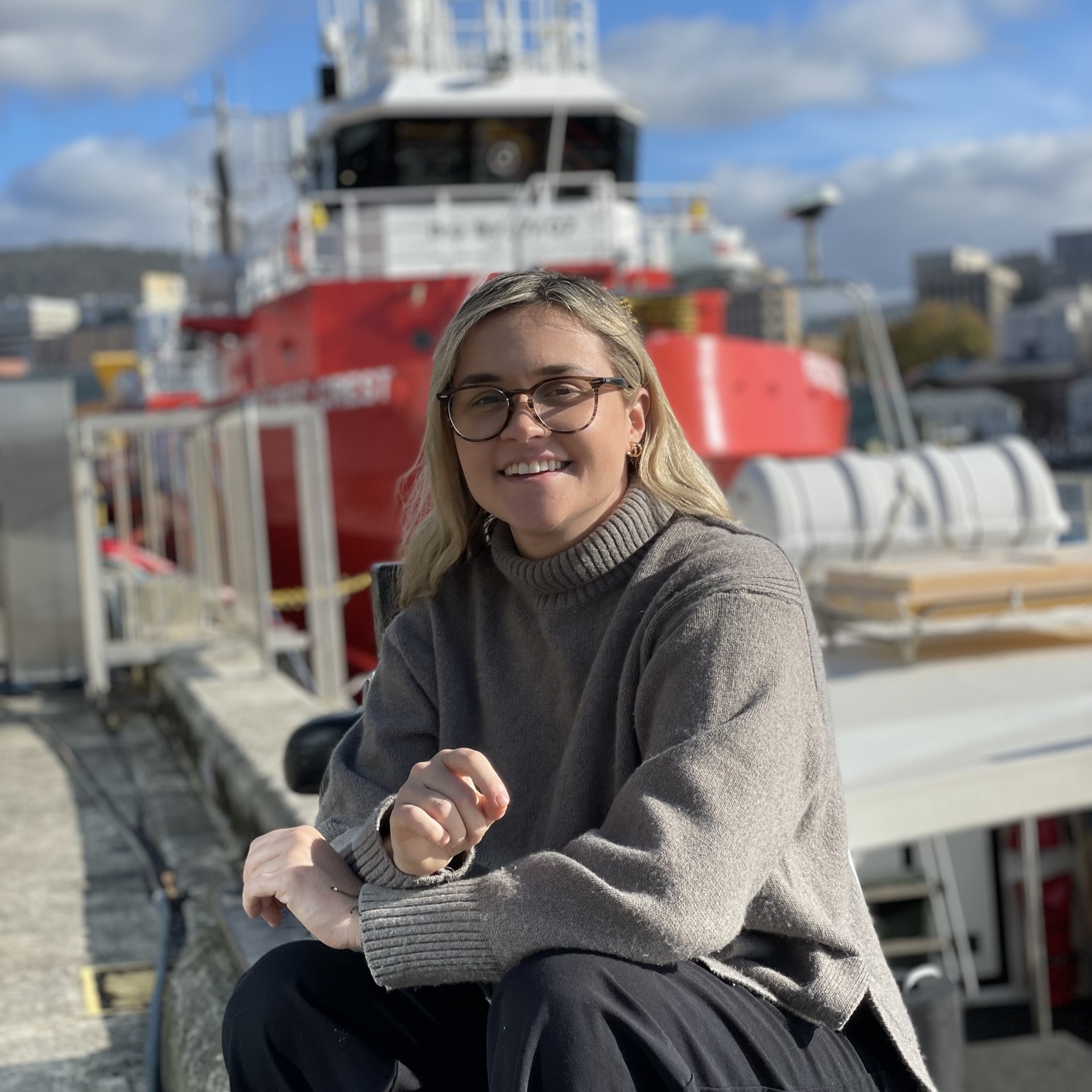
Fish physiologist Dr Harriet Goodrich has been recognised for her research into how fish respond to environmental change and the stress of capture, and what those responses mean for the future of fish populations.
“I’m deeply honoured to receive a Young Tall Poppy Award. It is wonderful recognition of the value of curiosity-driven science and the real-world impact that can come from understanding how animals function,” said Dr Goodrich, who is a researcher with the University of Tasmania’s Institute for Marine and Antarctic Studies (IMAS).
Dr Goodrich and her team conduct diverse research which ultimately aims to answer one question: how do fish work?
“We’re investigating what happens when fish encounter changes in their environment – so we’re looking for signatures of those responses in their metabolism, behaviour, guts, gills, blood, tissues and genes,” she said.
“This means we can move beyond observing if an individual fish has been affected by warming, hypoxia, feeding or capture and begin understanding the mechanisms responsible.
“We can identify which fish and populations are most vulnerable and predict how they may respond as conditions continue to change.”
Dr Goodrich’s research provides fishers, managers and conservationists with evidence to support informed decisions about how fish are grown in aquaculture and caught in fisheries, and how populations are managed, protected and conserved.
Transforming treatment of chronic neck and back pain

Physiotherapist and clinical researcher Associate Professor Rutger de Zoete has been recognised for his pioneering research using advanced brain imaging to transform the assessment and treatment of chronic neck and back pain.
“I’m honoured to be a Young Tall Poppy Award winner. Back and neck pain are associated with a huge personal burden and cost our healthcare system of over $10 billion annually,” said Associate Professor de Zoete, who is the Academic Lead for the Master of Physiotherapy at the University of Tasmania.
“We are trying to tailor assessment and treatment to the individual by using brain neuroimaging.
“My research uses structural and functional MRI to identify unique brain features that predict whether a treatment will work for a specific person before they even begin.
“Specifically, we are working to individualise exercise therapy, making movement-based treatment specific to the person rather than taking a ‘one-size-fits-all’ approach.
“By identifying these treatment-response features early, ultimately we might be able to stop the cycle of clinical trial-and-error, helping patients recover faster and ensuring our healthcare resources are used effectively.”
Associate Professor de Zoete leads a research program addressing the global disability burden of musculoskeletal pain. By identifying specific neurological biomarkers, his work contributes to data-driven, person-centred precision care. He leads the Australian Longitudinal Study on Back and Neck Pain and an international consortium developing clinical practice guidelines for neck pain.
Beyond his research, Associate Professor de Zoete’s role as the Academic Lead for the Master of Physiotherapy program at UTAS is supporting a home-grown Tasmanian health workforce.
As President of the Australian Physiotherapy Association Tasmania Branch, he works with government and policymakers to advocate for evidence-based and preventative health strategies to inform public health policy.
Putting people at the heart of conservation
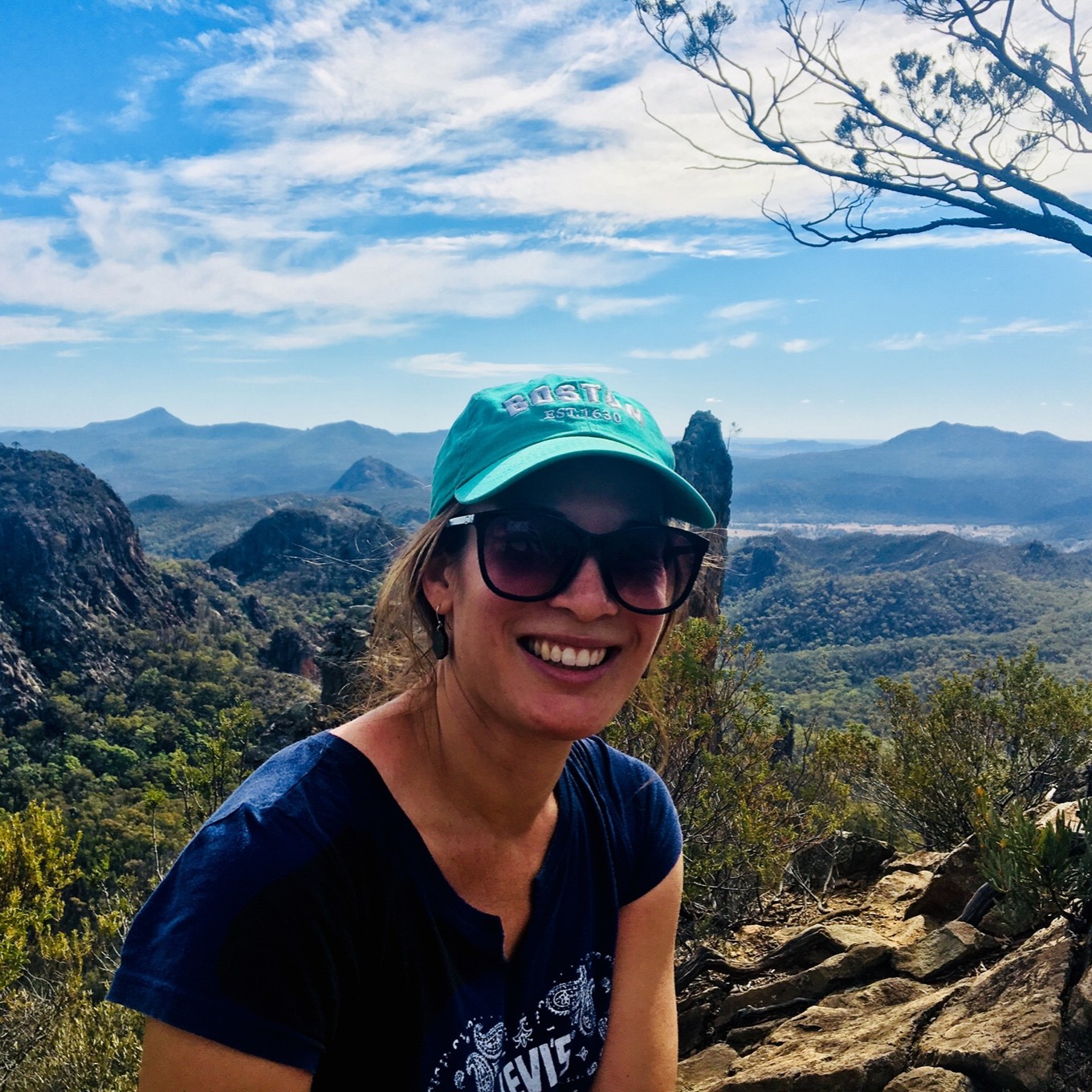
Conservation scientist Dr Tori Graham has been recognised for her research examining how protected areas and broader policy can safeguard biodiversity in a rapidly changing world.
“I am incredibly honoured to receive the Tall Poppy Award. To me, it recognises the importance of research that not only advances knowledge but also creates meaningful change in practice,” said Dr Graham, a Postdoctoral Research Fellow in the University of Tasmania’s School of Geography, Planning, and Spatial Sciences.
Drawing on expertise in conservation and economics, Dr Graham works at the intersection of science and policy to improve environmental outcomes.
“I believe people are at the heart of environmental management, and I am passionate about working with communities, Traditional Owners and governments to reach better outcomes for people and nature,” she said.
Her research explores the environmental, cultural and social impacts of policy, with the goal of supporting more inclusive, effective, and community relevant environmental management in protected areas and beyond.
“Equally important to me is seeing the next generation of scientists stepping into careers in conservation and tackling some of these complex societal challenges.”
Strong starts for healthy hearts

Dr Brooklyn Fraser has been recognised for her research into childhood fitness and its long-term impact on cardiovascular health.
“I am honoured to be named a 2026 Young Tall Poppy,” said Dr Fraser, who is a Heart Foundation Postdoctoral Research Fellow at the Menzies Institute for Medical Research.
“What makes this recognition particularly meaningful is the opportunity to highlight the important role childhood fitness plays in shaping lifelong cardiovascular health and helping children lead healthier lives heading into adulthood.
“While aerobic fitness and muscular fitness are known indicators of heart health, the long-term health benefits of being fit as a child are not yet fully understood.
“My research addresses this gap using data from a unique Australian study that has followed individuals from childhood into adulthood, repeatedly measuring their fitness and heart health.”
Dr Fraser’s research has shown that childhood fitness, including both aerobic and muscular fitness, is a key, independent predictor of heart health in adulthood.
“Alarmingly, I have also found that children’s fitness levels are declining, a trend that is likely to increase the future burden of heart disease,” Dr Fraser said.
“In response, I have worked with international experts to develop practical tools for measuring children’s fitness and identifying key global priorities to guide international collaborations and future research efforts.”
Dr Fraser’s research demonstrates that childhood fitness is not just about athletic performance or short-term wellbeing, but plays a critical role in lifelong heart health.
Critical minerals for a changing world
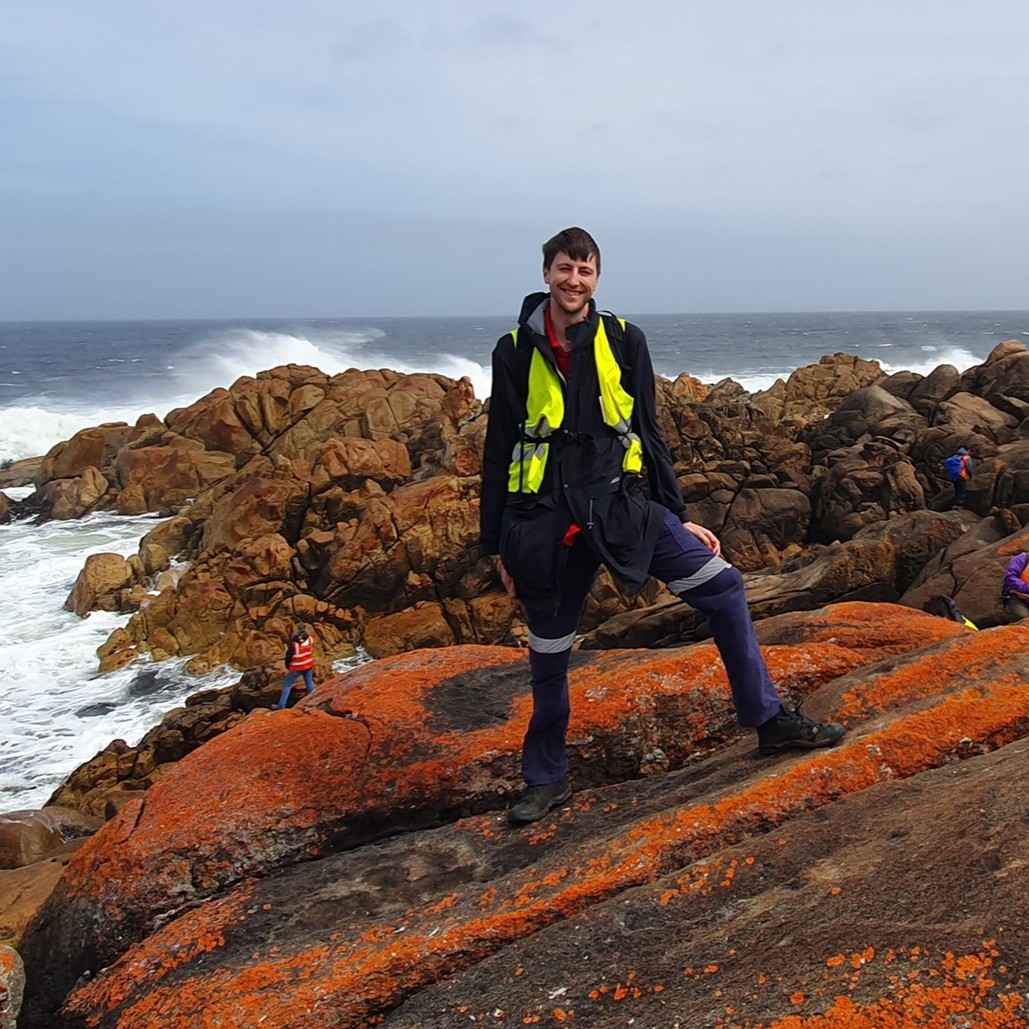
Dr Owen Missen has been recognised for his research into the critical minerals and metals needed for technologies such as solar panels and batteries.
“Being named one of Tasmania’s Young Tall Poppies for 2026 is a great honour for me,” said Dr Missen, a lecturer in environmental geology at the University of Tasmania.
“I love sharing the wonder of minerals and geology with wide audiences, and I hope that this award will lead to more opportunities to inspire young people to choose careers in geosciences.”
Dr Missen’s research focuses on understanding the behaviour of metals at the Earth’s surface, particularly tellurium and cobalt, which are used in renewable energy technologies.
Since joining the University of Tasmania, he has expanded his research across the mining value chain, from investigating how mineral deposits form to improving the processes used to separate and recover valuable minerals.
“This is my first major award and the recognition of my efforts across research and outreach is very humbling,” he said.
Dr Missen’s work is helping improve understanding of the critical minerals needed for the transition to cleaner energy while supporting more sustainable approaches to resource development.
University of Tasmania’s Dean of Research, Sciences and Engineering, Professor Erik Wapstra, was the Chair of the Selection Committee and said the standard of applicants was exceptionally high, making this year’s selections particularly difficult.
“What stood out throughout the selection process was not only the quality of the research, but the passion these researchers have for sharing their work beyond academia,” Professor Wapstra said.
“Tasmania’s Young Tall Poppies are tackling important challenges, inspiring others through science communication, and helping ensure research has real-world impact.”