Key points
- Midstorey plants between 1 and 10 metres are absent from many urban parks
- Complex vegetation is important for birds, small animals and people
- Researchers say it is easy to introduce and cheaper to maintain than lawns
Urban parks and public spaces need more shrubs and small trees to improve community wellbeing and support wildlife, University of Queensland researchers say.
A study by the School of the Environment examined why public spaces so often consist of tall shade trees above mown lawns, with almost nothing in between.
Ecologist Dr Nicola Sockhill said vital midstorey vegetation, between 1 and 10 metres in height, was often missing.
“Our parks have been dominated by an English landscape-inspired design style since the 1800s, perhaps motivated by a need for neatness, but it’s not serving nature or people well,” Dr Sockhill said.
“There is a missing vital layer that sits between a high tree canopy and groundcovers in many parks.
“This vegetation is important for food and shelter for small animals and birds which are being pushed out by urban consolidation and new suburbs expanding into natural areas.”
Dr Sockhill said the quality of urban green space was also increasingly important for people.
“More than half the world’s population now lives in cities, and for many of us, a park is the only nature we will encounter all day, so what is growing in it matters.
“Spending time in nature has been shown to lower stress hormones like cortisol, help restore our attention, reduce anxiety and depression, and even reduce the time it takes to recover from illness or injury.”
The UQ study suggested ways denser, midstorey vegetation could be incorporated into existing parks and overcome perceived barriers such as safety.
“You can install good lighting, have good sightlines and select vegetation strategically,” Dr Sockhill said.
“People can choose to engage with those midstorey spaces if they want to, while still having access to more open areas and benefitting from the green vistas it provides from a distance.”
Study co-author Professor Richard Fuller said once established, native midstorey plantings needed less intensive management than lawns, saving money through reduced fuel and water use or worker hours.
“Once native plantings are in, they largely look after themselves, and an ecosystem gradually assembles around them while lawn just needs mowing again next fortnight.”
“The best plants for a park and the local wildlife are usually the ones that were growing there before the park was developed.
“A fairywren won’t move far from cover, so a park of lawn and canopy is a park it can’t use but give it a tangle of Acacia or Westringia to move through and it will be there within a season.”
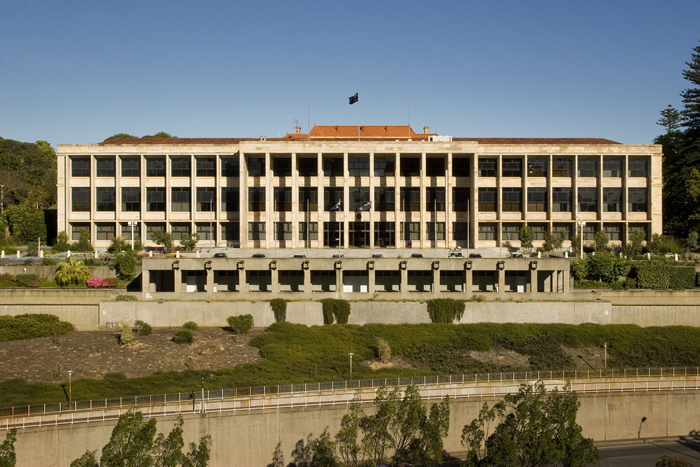
The study points to Kings Park in Perth, Australia, as an existing example of a world-class park enjoyed by locals and tourists that also contains a large area of dense bushland.
“We already know this works,” Professor Fuller said. “We just haven’t made it the default.”
Dr Sockhill hopes the study provides evidence for planners, councils, consultants, policymakers and residents to use to advocate for richer urban vegetation.
“We suggest designing parks strategically and planning green space at a city-wide scale,” she said.
“Rather than every park looking the same, a city should have a patchwork of different park types, from open recreational spaces to more densely vegetated refuges for people and wildlife.
“Vegetation complexity is extremely important and is underrepresented in public spaces.
“Anyone who has a sphere of influence over greening strategies can use this information to contribute to changing the picture.”
Read the research in BioScience.
Collaboration and acknowledgements
The study was completed with Professor Sarah Bekessy at RMIT (now at University of Melbourne) and Dr Brenda Lin at CSIRO.