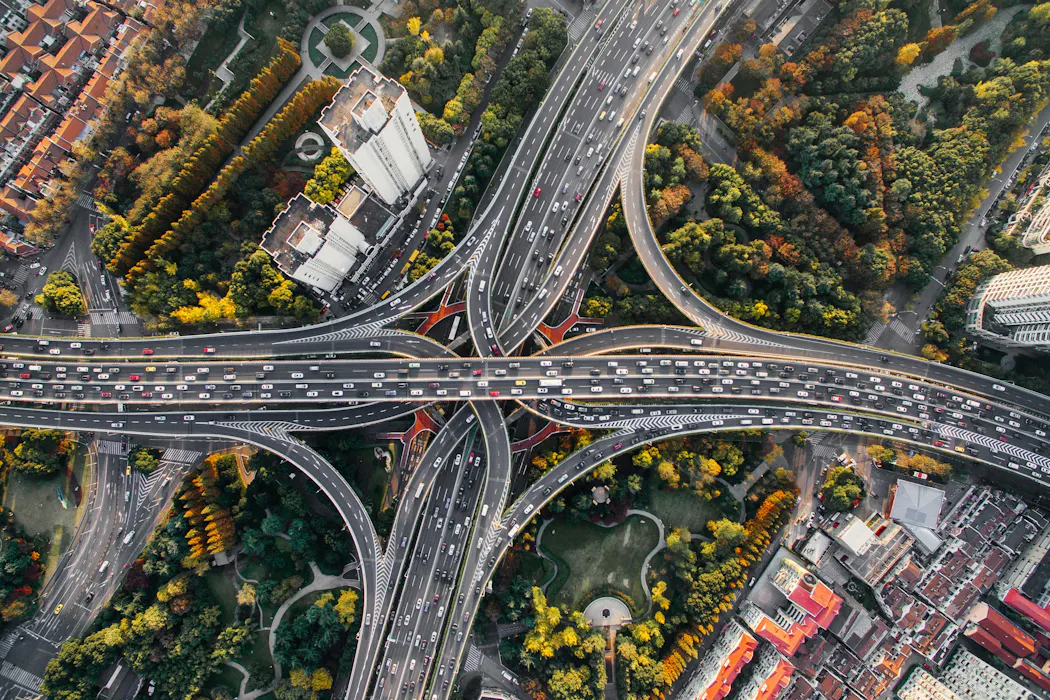
Emerging threats to the safety, health and prosperity of communities no longer occur as isolated emergencies, but as interconnected events that have cascading repercussions – which means escalating concerns over public health, digital systems and AI, and climate emergencies require cohesive systematic solutions.
Professor Paul Arbon, a Matthew Flinders Distinguished Emeritus Professor, says the best way to mitigate widespread threats to society is to build resilience in a whole-of-society approach.

Professor Arbon is co-author with Flinders University’s Dr Robert Muller of a chapter on ‘Understanding Societal Threats: A Systems Approach’ – which is part of the book Information and Influence: Collective Information Processing under Societal Threat (a part of the Springer book series Advanced Sciences and Technologies for Security Applications).
The chapter focuses on societal threats increasing in frequency and intensity as a result of global interconnectedness, which means emergencies now transcend local boundaries and create cascading effects across social, natural and built systems.
“Modern threats such as climate change, pandemics, cyberattacks and misinformation do not occur in isolation but can trigger cascading effects across interconnected systems, affecting everything from health care and infrastructure to economies, social cohesion and national security,” says Professor Arbon.
“This consequential damage to the function of societal systems is of fundamental importance, and often hidden behind the far more visible and dramatic local emergencies we see unfolding in our communities.”
Professor Arbon notes that while the interconnectedness of modern socio-technical systems may make them appear resilient, they are still vulnerable to disruptions, which can cause far-reaching problems.
“As an example, climate change-induced flooding demonstrates how failures in one system can trigger widespread health, finance and infrastructure crises,” explains Professor Arbon.
“Similarly, global events including infectious disease spread, geopolitical instability and information disorder reveal the multi-scale and interdependent nature of societal threats.”
“Societal threats are often categorised as either natural hazard disasters, or conflict and terrorism related, or as human and animal health emergencies – but this approach is increasingly problematic because it focuses on a single hazard type and fails to recognise the widespread consequences of an event within our societal systems”.
“A systems-based perspective is critical for understanding and addressing societal threats. By shifting focus from single-event crises to their complex, cascading effects, societies can better prepare for and adapt to future challenges.”
This approach emphasises interconnectedness and inter-dependencies across all systems, highlighting the necessity for resilience and adaptability in both local and global contexts.
“A systems approach uncovers the interplay between various threats – which range from climate change to geopolitical tensions and their impact across multiple scales of society,” says Professor Arbon.
“Societal threats must be viewed through an expansive systems lens, so addressing threats such as climate change, geopolitical tensions, and societal polarisation requires coordinated, holistic responses to safeguard the stability of interconnected global systems.”
- Information and Influence: Collective Information Processing under Societal Threat has been published by Springer.