A newly released letter by the former chair of WA’s Environmental Protection Authority contains explosive warnings Woodside’s Browse gas project risks ‘significant, serious and irreversible’ consequences to the environment.
The letter reveals WA’s Department of Biodiversity, Conservation and Attractions warned Woodside’s proposal presents ‘a high risk to the threatened green turtle and its nesting habitat’ and the company’s mitigation plan to add sand to beaches was likely to have limited effect.
“This letter shows WA regulators know Browse drilling comes with unavoidable risks of catastrophic and irreversible environmental damage, including oil spills,” said the Australian Conservation Foundation’s climate & energy exports campaigner Piper Rollins.
“Browse is a majority foreign-owned gas project that would send at least 85% of the gas overseas and in the process damage Scott Reef and the endangered whales, turtles and other marine animals that rely on it.
“Federal Environment Minister Murray Watt’s imminent decision on Browse must reflect what reef experts and the WA EPA acknowledge: Woodside’s gas export project cannot proceed without risking grave and irreversible harm to the pristine Scott Reef and Kimberley marine environment.
“We commend Western Australia’s EPA for listening to the science and making preliminary findings that clearly set out this proposal’s threat to the environment.
“ACF calls on Minister Watt to heed the warnings in this new information and reject Browse drilling due to its unacceptable impacts on Scott Reef and its threatened species.”
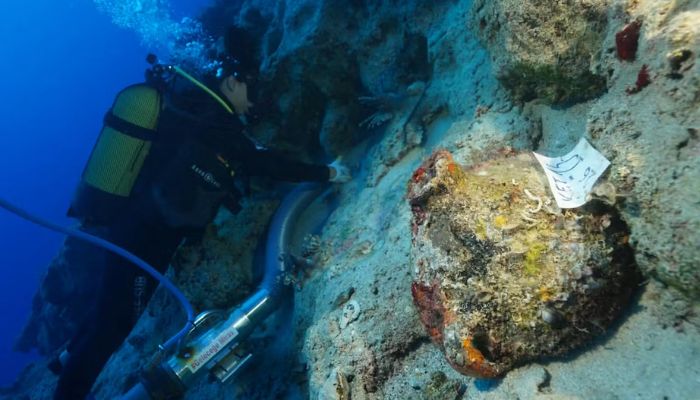
Scott Reef, 300km off the Kimberley coast, is a nesting place for green turtles, a feeding ground for endangered pygmy blue whales and home to the rare dusky sea snake. Scott Reef is already under threat from warming waters and rising sea levels.
Woodside wants to drill up to 50 new gas wells at Scott Reef and construct a 900km underwater pipeline to send the gas to the NW Shelf facility near Karratha for processing before exporting it. The proposal is being assessed under Australia’s national nature laws.