In early 2001, Jason noticed a strange sensation after eating certain foods.
“It felt like food was getting stuck in my chest,” he recalls.
At first, the symptoms seemed minor, but after mentioning them to a doctor, he was referred for further testing, including a gastroscopy. The results revealed that Jason has stomach cancer.
A one week later, Jason underwent a 10-and-a-half-hour operation to remove his stomach.
“It all happened so quickly,” says Jason. “One minute I thought there was nothing wrong with me, and the next I was preparing for major surgery.”
Fortunately, surgeons were able to remove all visible cancer, and Jason later underwent chemotherapy and radiation treatment as an added precaution.
A long recovery
While the surgery saved Jason’s life, recovery was far from straightforward.
A total gastrectomy meant he had to relearn how to eat, understand how his body processed food and adapt to a completely different way of living. Symptoms such as dumping syndrome and low blood sugar episodes became ongoing challenges.
“It took about three months before I could return to work for a few hours at a time, and about a year before I felt I had found a new normal,” Jason says.
Despite the challenges, he focused on taking things one step at a time. From short walks to the letterbox after surgery, he gradually rebuilt his strength and returned to the gym, a hobby he had loved before his diagnosis.
Turning lived experience into helping others
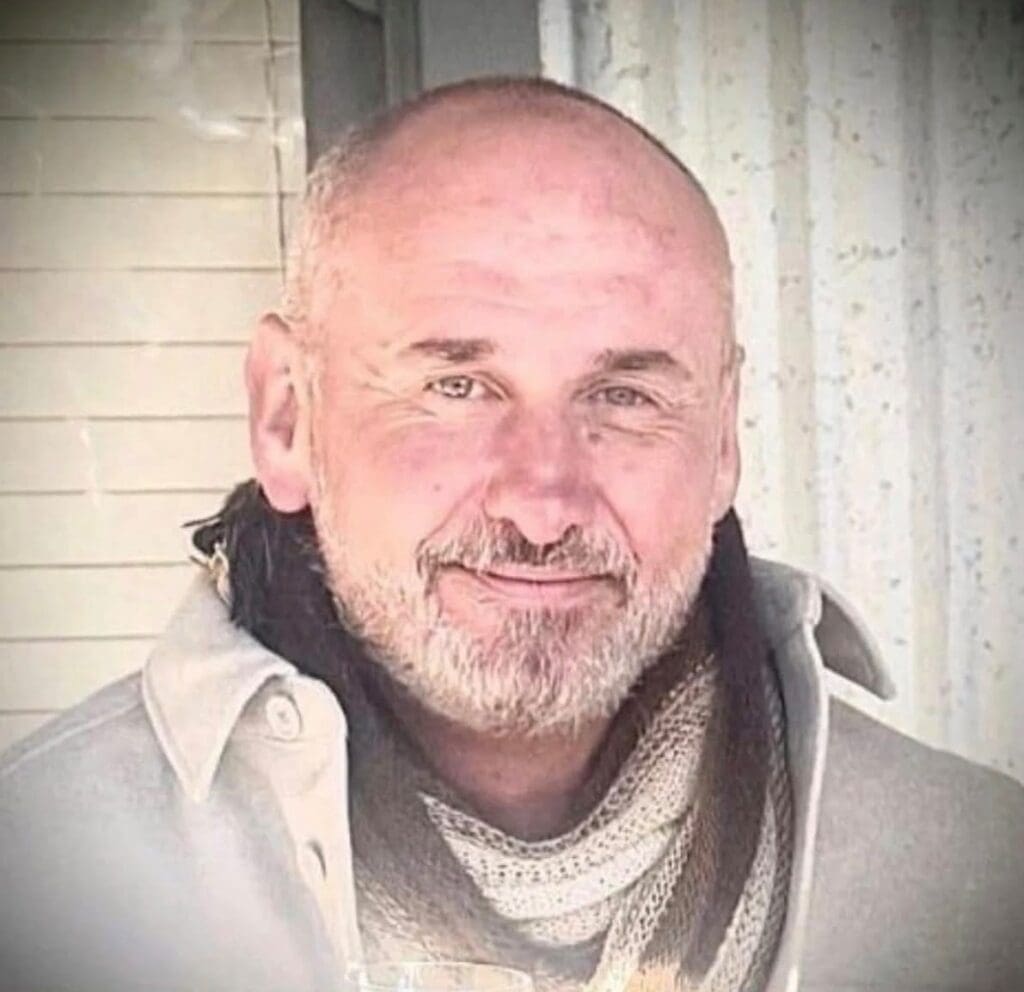
Jason’s experience inspired him to pursue a new path to better understand how nutrition affects the body. After his surgery, he completed a Bachelor of Health Science in Nutrition and became a nutritionist. Today, he remains physically active, regularly attends the gym and continues to use his experience to support others.
“If sharing my experience can help someone feel less alone, that’s worth it.”
25 years on from since his surgery, Jason has written an ebook to help others navigate life after gastrectomy and continues to share his story with the cancer community.
His message for anyone affected by cancer is simple: don’t let fear of the unknown take over.
“There is still hope,” he says. “Focus on the information you have today and take things one step at a time.”
For Jason, surviving cancer was only the beginning. The real journey was learning how to live well afterwards and helping others do the same. He hopes that by sharing his experience, people facing a cancer diagnosis can find reassurance that while life may change dramatically, it can still be full, meaningful and rewarding.