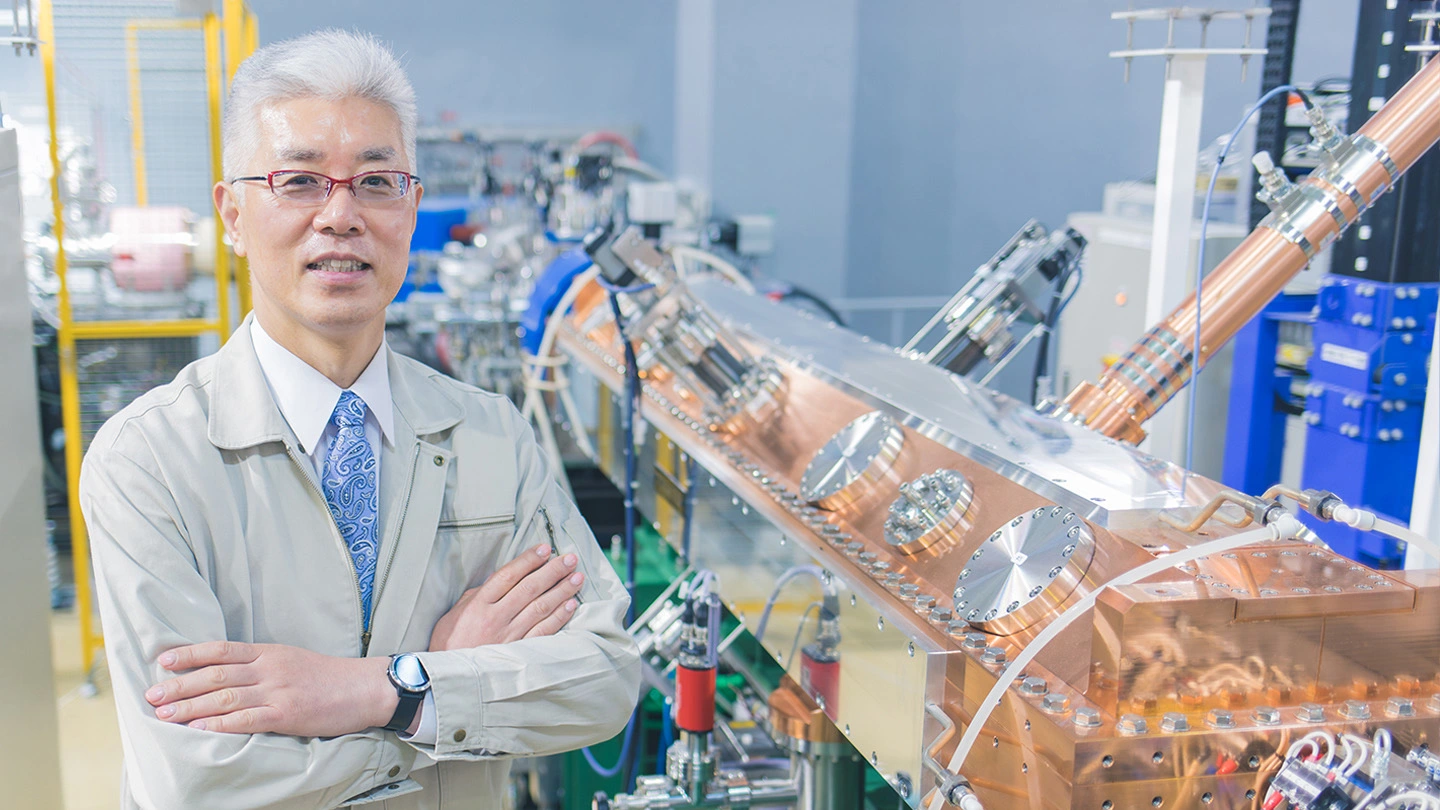
Large-scale accelerators, such as SPring-8 in Harima Science Garden City and the giant accelerator at CERN, extend several to tens of kilometers and have applications ranging from advanced research into elementary particles and the universe to industry. Miniaturizing and making these accelerators portable could dramatically expand their use in healthcare and industry to include radiation therapy and non-destructive testing of public infrastructure. Professor Noriyosu Hayashizaki of the Institute of Integrated Research, who belongs to the Future Intelligence Visionary Initiative, has pursued this goal since his graduate school days, developing compact accelerators only a few meters long while advancing collaboration with industry and healthcare.
Smaller accelerators will make radiation therapy more accessible
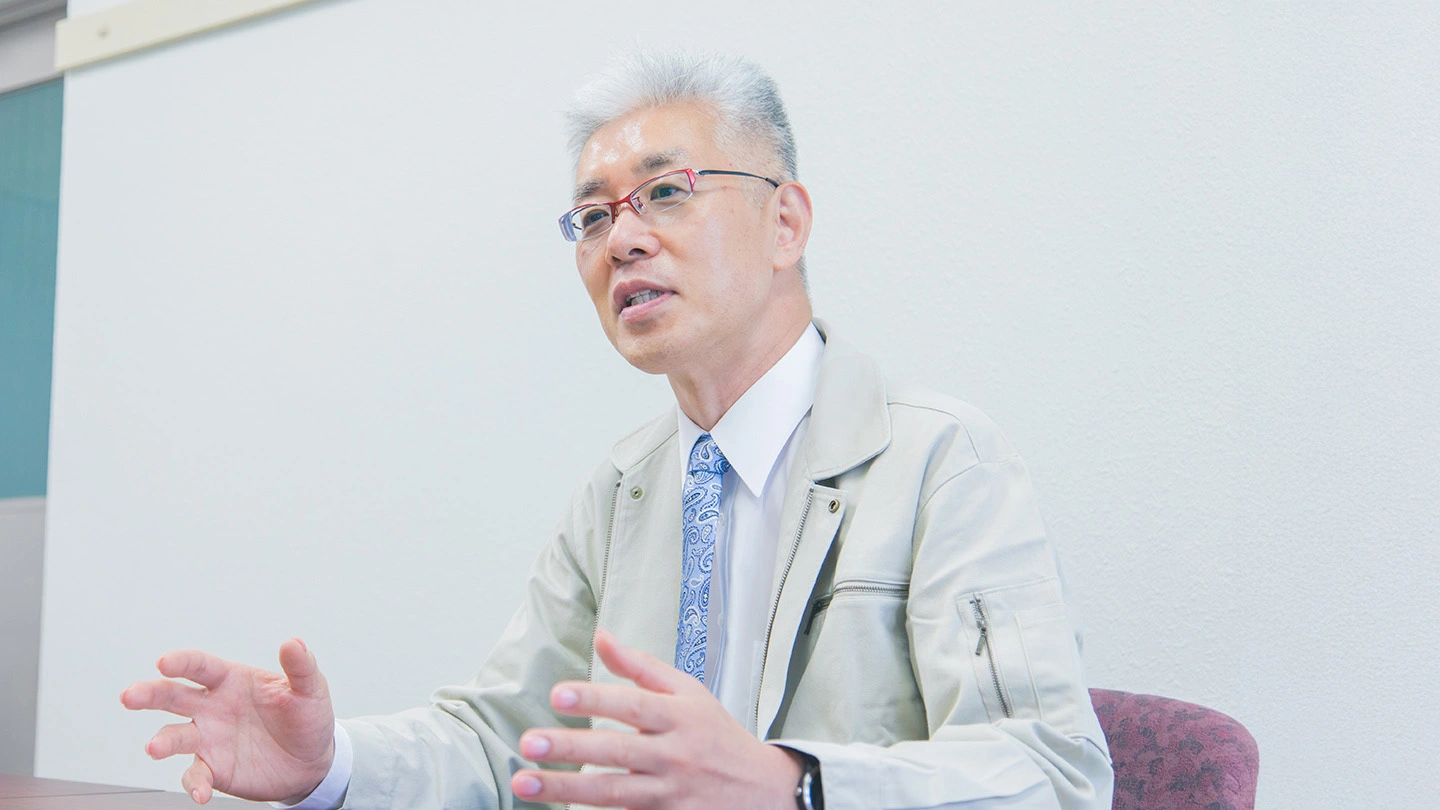
“Accelerators are devices that use electric and magnetic fields to accelerate charged particles such as electrons, protons, and ions to speeds approaching that of light,” explained Hayashizaki. “Accelerators, sometimes referred to as ‘giant microscopes,’ were originally developed as tools for fundamental research to investigate the internal structure of atoms and atomic nuclei, which form the basis of matter. Observing extremely small objects such as atomic nuclei requires directing highly energetic charged quantum beams at the target. However, large-scale equipment is required to generate such high energies. In response to this issue, I am currently researching and developing compact accelerators. Miniaturization and portability are essential if accelerators are to be used in fields such as medicine and industry.”
Quantum beams generated by accelerators include electron beams, proton (hydrogen ion) beams, heavy-ion beams, neutron beams, and X-rays. Because electron beams tend to stop near the surface of the irradiated material, they are used to improve the properties of plastics and enhance the electrical characteristics of semiconductor silicon wafers. Proton beams and heavy-ion beams can concentrate energy on targeted locations within a material, making them useful for applications such as cancer treatment. Neutron beams are being developed not only for medical applications but also for the non-destructive inspection of social infrastructure such as bridges. Among them, X-rays are the most familiar form of radiation, and are used in health checkups, CT scans, cancer treatment, airport security screening, and more.
“For example, radiation therapy, which is one of the three major cancer treatments alongside surgery and drug therapy, uses X-rays or particle beams to damage the DNA of cancer cells, thereby shrinking or eliminating tumors. X-rays are generated by directing high-speed electron beams at a metal target, and the device used to accelerate these electrons is a compact accelerator. At present, the number of hospitals able to provide radiation therapy is limited. However, if accelerators can be made even smaller, radiation therapy should become far more accessible.”
Enabling non-destructive inspection of aging social infrastructure
Neutron beams can penetrate deep inside materials to inspect the internal deterioration of social infrastructure such as bridges without causing damage. For many years, the Hayashizaki lab has collaborated with RIKEN toward further miniaturization and portability through the development of the RIKEN Accelerator-driven compact Neutron Source (RANS) series *. As its name suggests, RANS is a system that generates neutron beams. In Japan, the Japan Proton Accelerator Research Complex (J-PARC) in Tokai Village, Ibaraki Prefecture, is one of the best-known facilities for generating neutron beams. However, the first RANS prototype was developed as a more accessible alternative to J-PARC and began operation in 2013.
Neutrons are electrically neutral, so they cannot be accelerated using an accelerator. Instead, protons are first accelerated using an accelerator, and the resulting proton beam is collided with a metal target such as beryllium or lithium. This collision triggers a nuclear reaction that releases neutrons. The RANS series utilizes this mechanism.
“In the first RANS prototype, proton acceleration relied on an accelerator manufactured overseas. However, we later moved toward domestic production of the accelerator, resulting in RANS-II, which began operation in 2019. RANS-II incorporates a domestically produced accelerator jointly developed with RIKEN, reducing the overall system length to just 5 m. Compared with the first prototype, the overall system length was reduced to one-third, while the weight of the accelerator itself was cut in half.”
Furthermore, RANS-III, announced in a press release in December 2025, achieved a trailer-mounted portable system designed as a “neutron source that can be brought directly to the site.”
- RIKEN Accelerator-driven compact Neutron Source (RANS): A compact neutron source system developed by RIKEN and promoted for practical implementation across a wide range of uses. The first prototype began operation in 2013. Compared with large-scale neutron sources such as J-PARC, the system is designed to be more accessible, with the goal of expanding neutron beam applications at manufacturing sites handling metal materials and light elements. RANS stands for RIKEN Accelerator-driven compact Neutron Source.
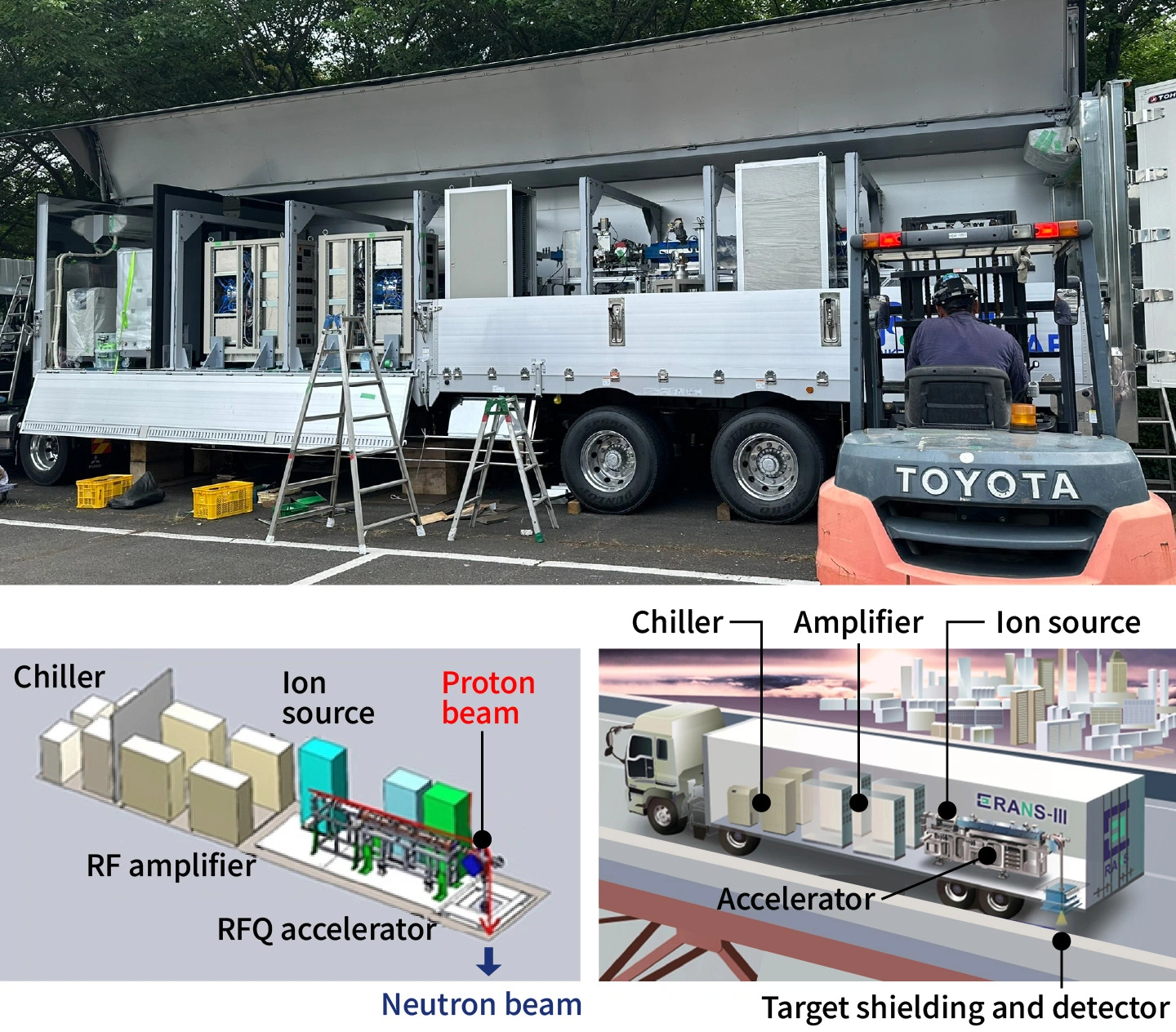
(Center) The trailer features double-opening wing-style side panels. Equipment can be installed using a forklift.
(Left and right) Protons are accelerated toward the rear of the vehicle by the centrally positioned radio-frequency quadrupole (RFQ) linear accelerator.
(Press release: Successful neutron generation by the portable compact neutron source system RANS-III (Japanese) | Science Tokyo News)
“The 2012 ceiling collapse accident in the Sasago Tunnel brought the issue of aging road infrastructure to the forefront as a serious social problem. Japan has more than 700,000 road bridges, many of which were constructed during the period of rapid economic growth and are now deteriorating. Due to the ability of neutron beams to non-destructively inspect moisture and deterioration inside concrete, there are strong expectations for the use of compact accelerators. With RANS-III, we pursued further miniaturization and portability with the goal of bringing a compact accelerator-based neutron source directly into the field for on-site bridge inspections.”
The key technology enabling portability was the high-frequency electric field used to accelerate protons. Increasing the operating frequency makes it possible to reduce the size of the accelerator, thereby enabling miniaturization. At the same time, higher frequencies place greater demands on design and machining precision. Despite these challenges, the Hayashizaki lab successfully increased the operating frequency from 200 MHz in RANS-II to 500 MHz in RANS-III. In addition, because lowering power consumption was essential for vehicle installation, the team also reduced energy usage through measures such as replacing electromagnets with permanent magnets. The R&D team achieved its goal by steadily refining these detailed technologies and engineering innovations.
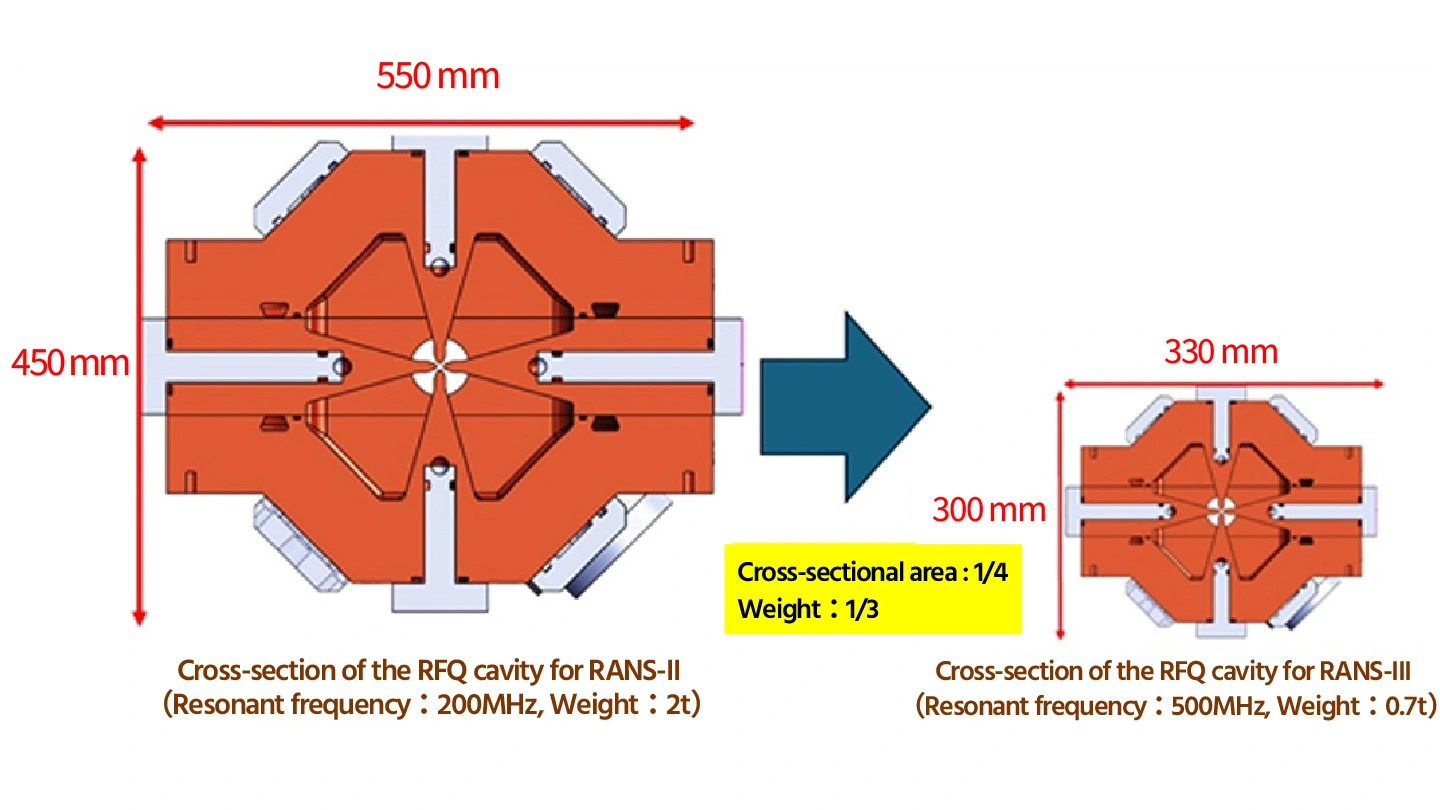
(Press release: Successful neutron generation by the portable compact neutron source system RANS-III (Japanese) | Science Tokyo News)
This research and development effort was also made possible by regulatory reform. Under the Act on the Regulation of Radioisotopes, etc., radiation-generating devices (accelerators) licensed for indoor use may be taken outdoors for the non-destructive inspection of bridges and bridge piers, provided that certain conditions such as keeping the accelerated particle energy below 4 MeV are met. Practical use of the portable RANS-III became possible in December 2025. Going forward, it is expected to play an active role in measures to address aging infrastructure such as bridges.
Development of next-generation compact accelerators
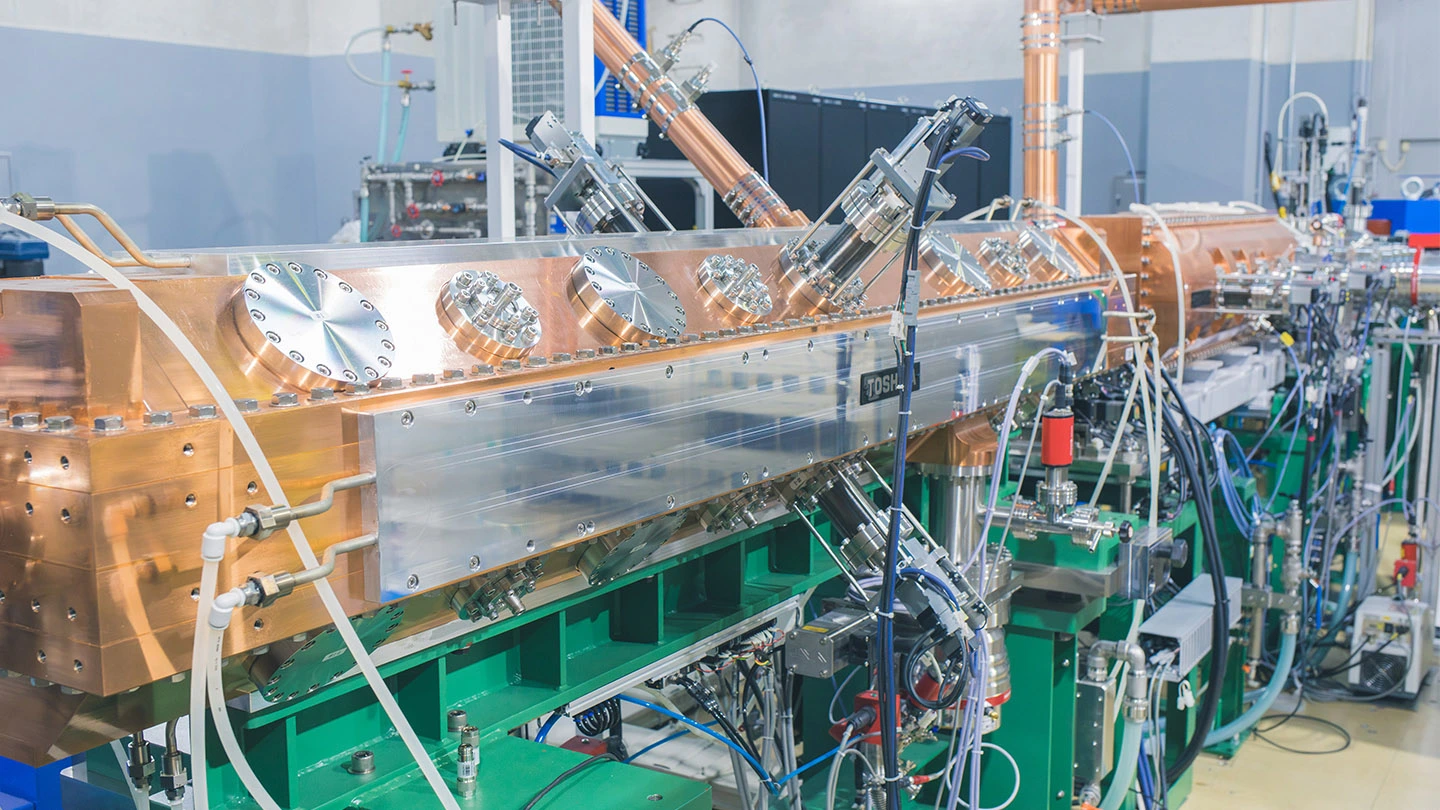
In the Hayashizaki lab, in addition to work on accelerator miniaturization and portability, researchers are also collaborating with private companies on the development of injectors for heavy-ion beam therapy. This system incorporates the patented “Three-Layer Structure RFQ Fabrication Method” technology developed by Hayashizaki and his research team. By eliminating conventional thermal processing methods such as brazing and electron-beam welding, the technology achieves excellent electrical performance with shorter production times and lower costs, while preserving the precision of accelerating electrodes machined from oxygen-free copper. In fact, the same patented technology is also used in RANS-II and RANS-III. The Hayashizaki lab has also succeeded in developing a multi-beam accelerator capable of simultaneously accelerating multiple heavy-ion beams as a next-generation accelerator technology.
Medical-engineering collaboration accelerated by the Visionary Initiatives (VI)
Hayashizaki has also actively pursued applications in the medical field. One representative example is the development of a boron neutron capture therapy (BNCT) system using a compact accelerator that can be installed within a hospital. BNCT is a next-generation cancer treatment in which a boron compound that preferentially accumulates in cancer cells is administered to the patient, after which the affected area is irradiated with neutron beams to selectively destroy cancer cells. Compared with conventional X-ray radiation therapy, BNCT enables more targeted and effective destruction of cancer cells. In Japan, both a boron drug and an accelerator system for BNCT received regulatory approval in 2020, and insurance-covered treatment for head and neck cancer subsequently began.
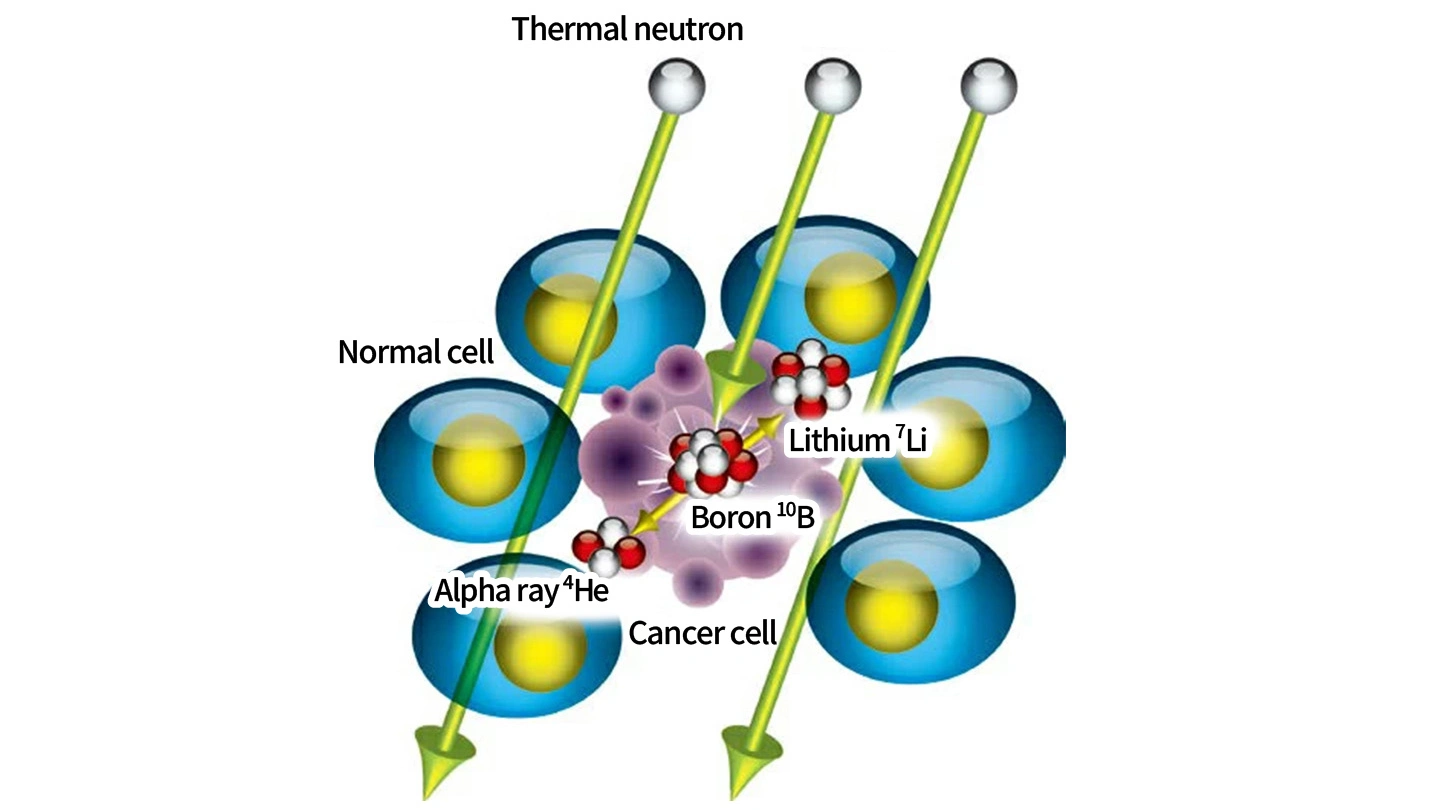
Hayashizaki succeeded in developing a liquid lithium neutron-generation target for BNCT in 2012. However, he recalls with regret that the former Tokyo Institute of Technology lacked a faculty of medicine, making it impossible to advance the project into a clinical system that included the accelerator itself.
“Fortunately, following the merger with the former Tokyo Medical and Dental University, medical-engineering collaboration is now being actively promoted across the entire university,” said Hayashizaki. In addition, beginning in the 2025 academic year, the new research framework Visionary Initiatives (VI) was introduced university-wide, creating a structure that transforms research from discipline-based silos into cross-disciplinary collaboration. “Through VI, cross-disciplinary collaboration is now advancing university-wide. Currently, eight VIs have been established. In ‘Future Intelligence,’ which I belong to, 330 faculty members have come together across fields under the vision of ‘Creating future social systems shaped by intelligence through the exploration and advancement of knowledge.’ Thanks to this new research framework, I can now collaborate much more actively with researchers in the medical and dental fields, allowing our research and development to proceed far more smoothly.”
“Researchers in the medical and dental sciences are often aware of challenges in clinical settings, but in many cases they do not possess the technical means to solve them,” continues Hayashizaki. “On the other hand, researchers in science and engineering possess the technology but are often unaware of the issues faced in clinical practice. Only by complementing one another can we truly respond to the real needs of society. Students in my lab are also highly interested in medical-engineering collaboration, and increasingly they are expressing a strong desire to develop accelerators that can contribute to society.”
In fact, Hayashizaki is currently conducting joint research and development on next-generation brachytherapy technology with Professor Ryoichi Yoshimura of the Department of Radiation Therapeutics and Oncology, Institute of Science Tokyo Hospital. Conventional brachytherapy involves inserting small radioactive capsules (radiation sources) or needles directly into cancerous tissue and irradiating the cancer cells from close range. However, because physicians must directly handle radiation sources that continuously emit radiation, the method presents challenges in terms of radiation exposure and safety management.
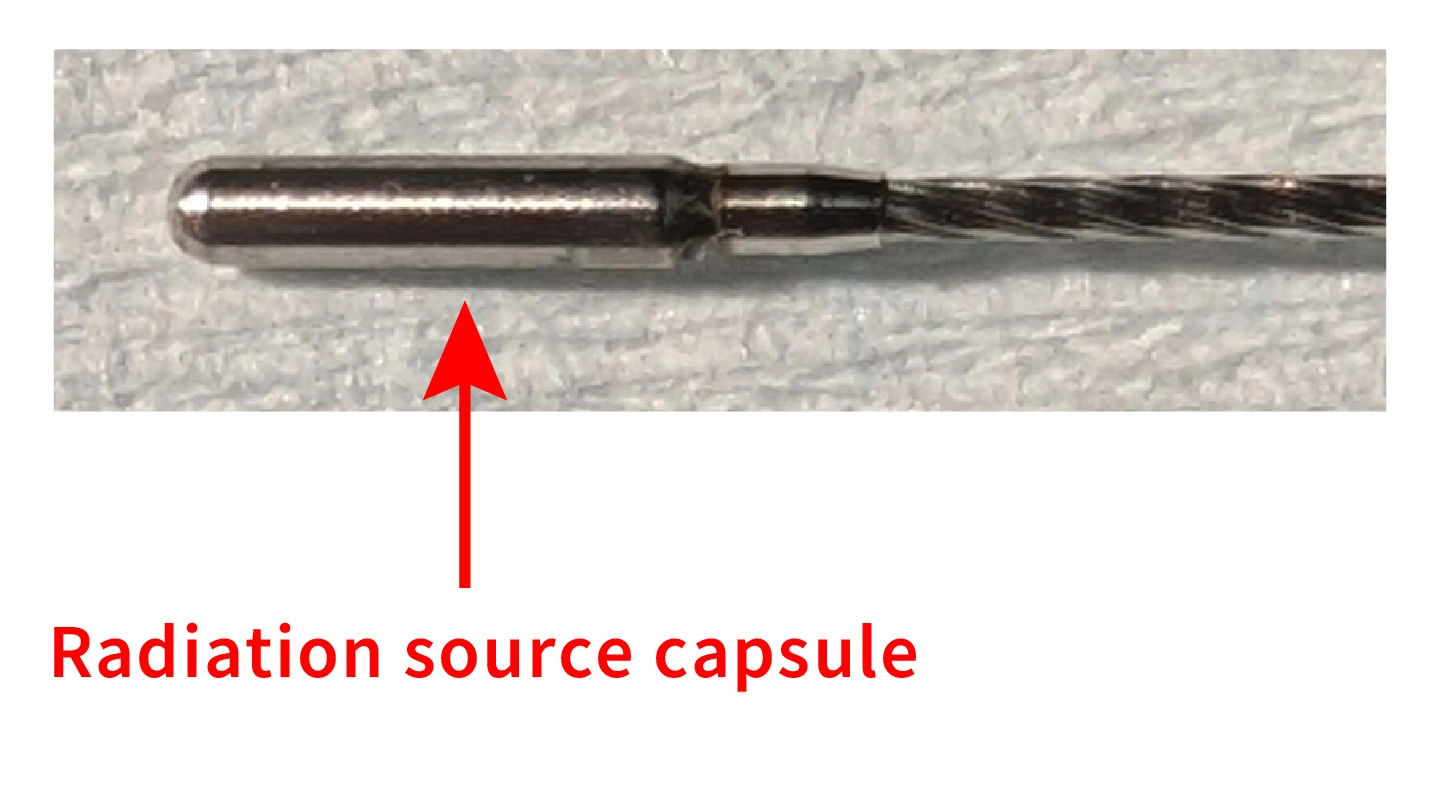
By contrast, the “next-generation brachytherapy” currently under development replaces conventional radiation sources with ultra-compact accelerators (X-ray generators) that emit radiation only when needed. This is expected to improve safety and simplify radiation management. In addition, because overseas-made devices that are currently leading the field in Europe and the United States are not always suited to Japanese physiques, Hayashizaki is advancing the development of compact domestically produced systems designed specifically for Japanese patients.
New paths open when actively engaging with others
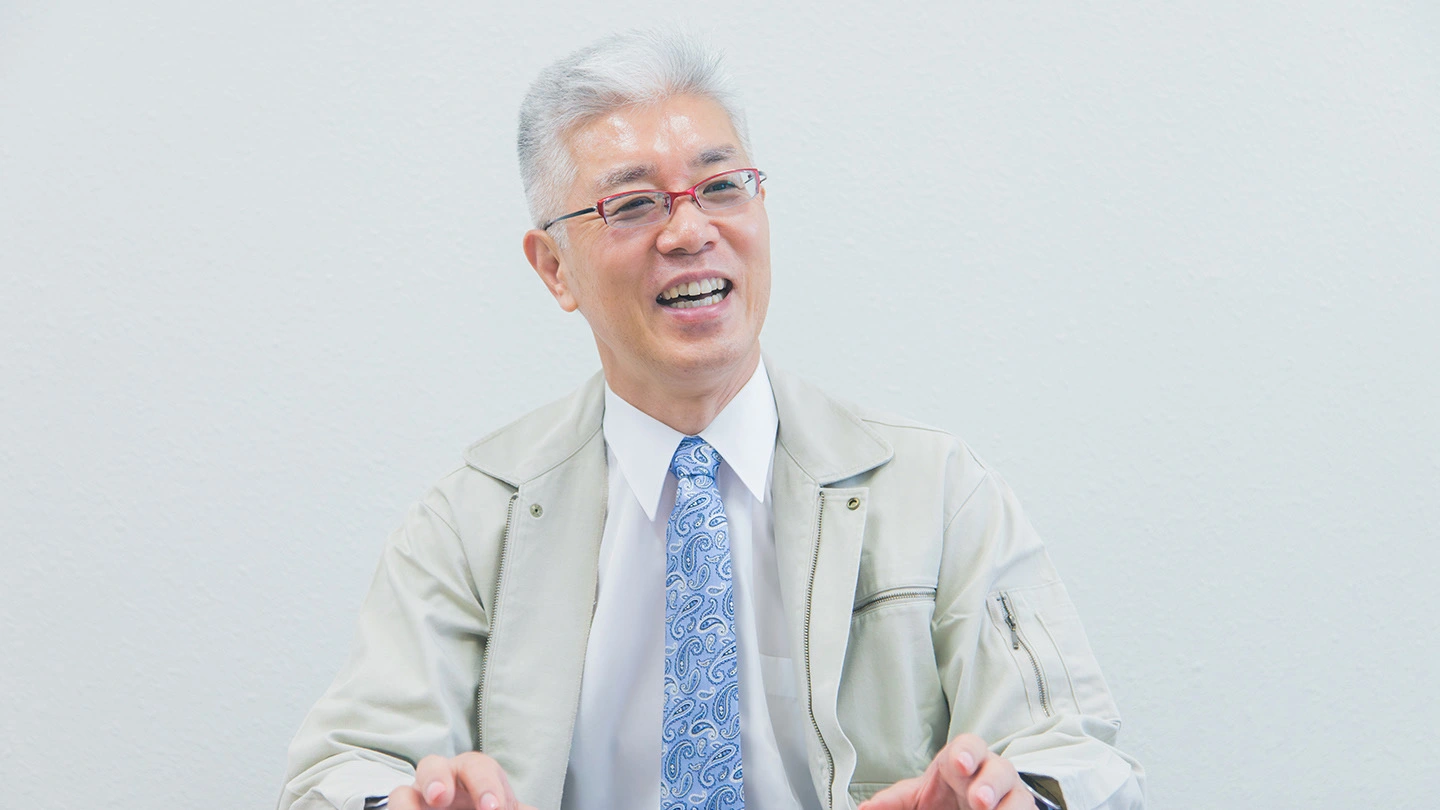
Hayashizaki’s journey toward researching accelerators dates back to his university days. At the time, Hayashizaki was a third-year student in the Department of Electrical Engineering, Faculty of Engineering, Hosei University, when he had the opportunity to visit an actual accelerator at the RIKEN Nishina Center for Accelerator-Based Science. “I’ve loved trains ever since I was a child,” recalls Hayashizaki. “The branching beamlines of the accelerator reminded me of branching railway tracks, and I was instantly fascinated.”
Upon graduating from university, he entered the Department of Nuclear Engineering, Graduate School of Science and Engineering, at the former Tokyo Institute of Technology, where he immersed himself in accelerator research and development. After completing his doctoral program, he joined the Inter-University Research Institute Corporation High Energy Accelerator Research Organization (KEK) and became involved in the J-PARC development project at exactly the right time. He later returned to the former Tokyo Institute of Technology, where he has continued his research and development in accelerators ever since.
The environment surrounding accelerator research is becoming increasingly challenging. In particular, because protons and heavy ions are far heavier than electrons, accelerators tend to become larger and require extensive laboratory space and large power supplies. “At present, only a handful of universities in Japan are capable of conducting research and development on ion accelerators,” said Hayashizaki. “In particular, my laboratory is virtually the only one working on next-generation compact ion accelerators.”
At the same time, demand for accelerators in the medical and industrial sectors remains extremely high, and Hayashizaki says he continues to receive a steady stream of inquiries from companies and research institutions. “Many companies and researchers are interested in using accelerators, but the barriers to implementation remain high, making practical utilization difficult,” explained Hayashizaki. “For that reason, I hope to realize compact accelerators that can operate automatically through simple button controls, provided users have undergone prior training.”
In closing, Hayashizaki reflected on what he finds most rewarding about research. “Nothing brings me greater joy than creating new technologies together with students and watching them take on new challenges.” He also shared a message for aspiring researchers: “I hope you will actively engage with other people.” He explained that his own fulfilling career as a researcher has been shaped by encounters with people at RIKEN, KEK, and in the medical research field. “Even if you do not yet have a clear goal for the future, devoting yourself wholeheartedly to the work in front of you can lead to unexpected encounters and open new paths,” said Hayashizaki. “Precisely because we live in a time of rapid change, I hope you will continue moving forward with a positive mindset.”
Profile
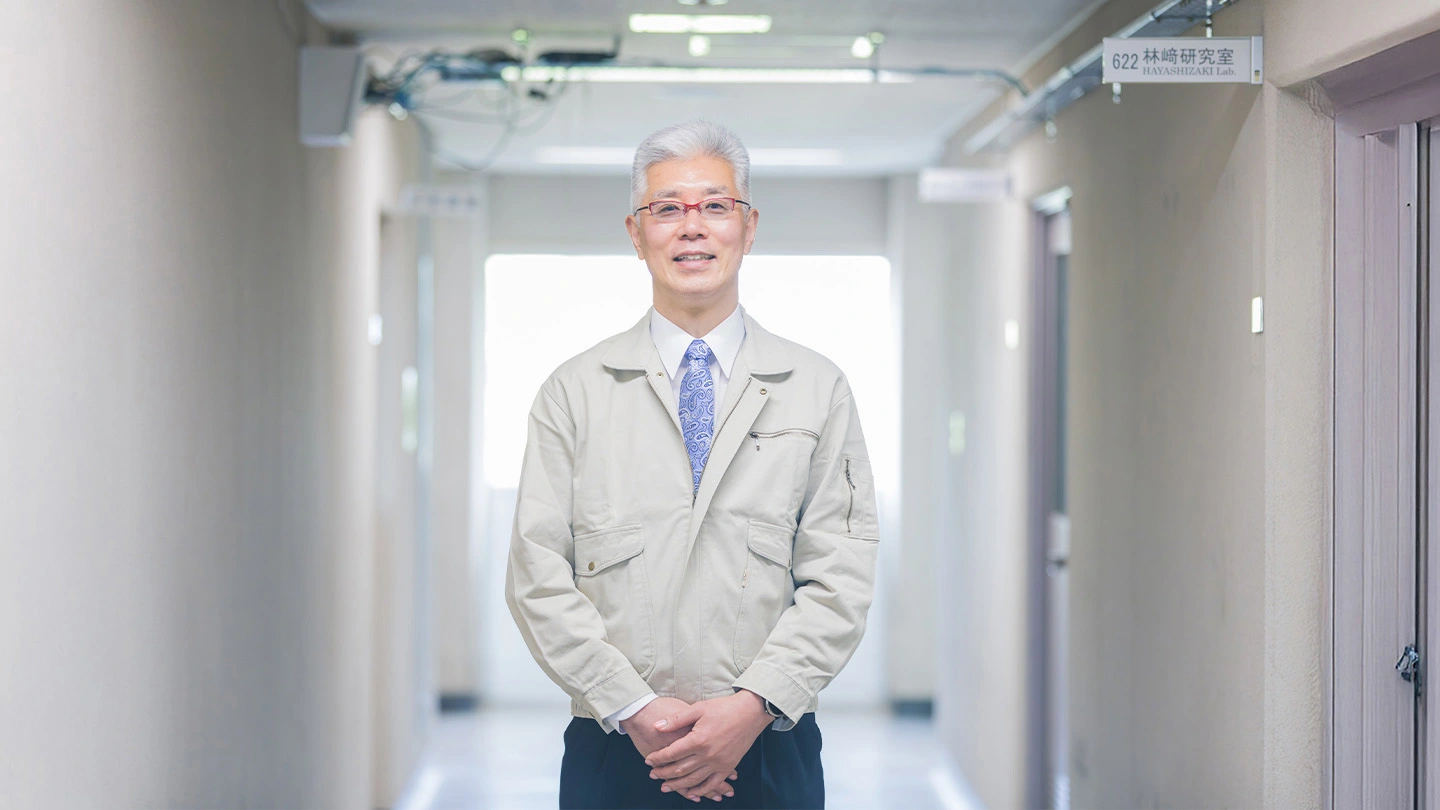
Noriyosu Hayashizaki
Professor, Laboratory for Zero-Carbon Energy, Institute of Integrated Research
Future Intelligence Visionary Initiative
- 2024 to present
- Professor, Laboratory for Zero-Carbon Energy, Institute of Integrated Research, Institute of Science Tokyo
- 2018 to 2024
- Professor at the Institute of Innovative Research, Tokyo Institute of Technology
- 2010 to 2018
- Associate Professor, Research Laboratory for Nuclear Reactors, Tokyo Institute of Technology
- 2007 to 2010
- Assistant Professor, Research Laboratory for Nuclear Reactors, Tokyo Institute of Technology
- 2001 to 2007
- Research Associate, Research Laboratory for Nuclear Reactors, Tokyo Institute of Technology