Seagrass meadows help improve water quality, provide habitat for marine life and are a critical food source for some of the Reef’s most iconic animals, including green turtles and dugongs.
But just like coral, seagrass is under threat – around the world, almost one-third of seagrass meadows have already been lost. So, can we restore seagrass meadows to ensure they continue to support our Reef, marine wildlife and coastal communities?
It’s a question we’re working to answer alongside researchers and Reef communities. From understanding which species can tolerate warmer waters to developing new ways to replant seagrass using robotics, we’re exploring innovative solutions to restore what has been lost and help these underwater meadows thrive into the future.
#What animals live in seagrass meadows?
If you’ve ever been lucky enough to see a dugong in the wild, you might have spotted it snuffling along the seafloor, munching on seagrass. These gentle giants are true underwater grazers, with an adult dugong eating around 30 kilograms of seagrass every day! Green turtles also love to snack on seagrass, making these underwater meadows an important source of food for some of our most iconic Reef animals.
But seagrass offers much more than a meal. These leafy green underwater meadows provide shelter and hiding places for young fish, prawns and crabs as they grow. And that’s good news for us. By providing important nursery habitats for many seafood species, seagrass meadows help support our fisheries and the coastal communities that rely on them.
#Can seagrass recover naturally?
Like our coral reefs, seagrass meadows face growing pressure from the impacts of climate change. We now know that marine heatwaves can affect how seagrass grows, flowers and survives, while cyclones, floods and intense rainfall can stir up sediments, wash pollutants into coastal waters and reduce the sunlight reaching seagrass.
The scale of the challenge is significant. Almost 30% of the world’s known seagrass area has been lost since records began in the late 19th century, and in some places, seagrass is being lost faster than it can recover.
While some seagrass can grow back naturally when conditions are right, many meadows need a helping hand. We’re beginning to explore ways to improve replanting and give seagrass the best chance to take root, survive and grow into healthy meadows. This includes investigating where restoration is most likely to succeed, which planting approaches work best and whether technologies such as robotics could help us restore larger areas.
#How do we measure seagrass health?
Before we can restore a seagrass meadow, we need to understand how healthy it is and whether it needs help, and just like a garden on land, a healthy seagrass meadow has its own signs of wellbeing. How much of the seabed is covered by seagrass, which species are growing there and how densely they grow can all tell us something about the condition of a meadow.
We use long-term monitoring and mapping to capture these indicators. From underwater surveys to aerial imagery captured by drones and satellite mapping, these tools help us understand where seagrass is thriving, where it is declining and where restoration efforts could make a difference.
Making these observations accessible is important, too. By sharing data, we can compare findings over time, identify long-term changes and build a clearer picture of where our collective efforts could have the greatest impact.
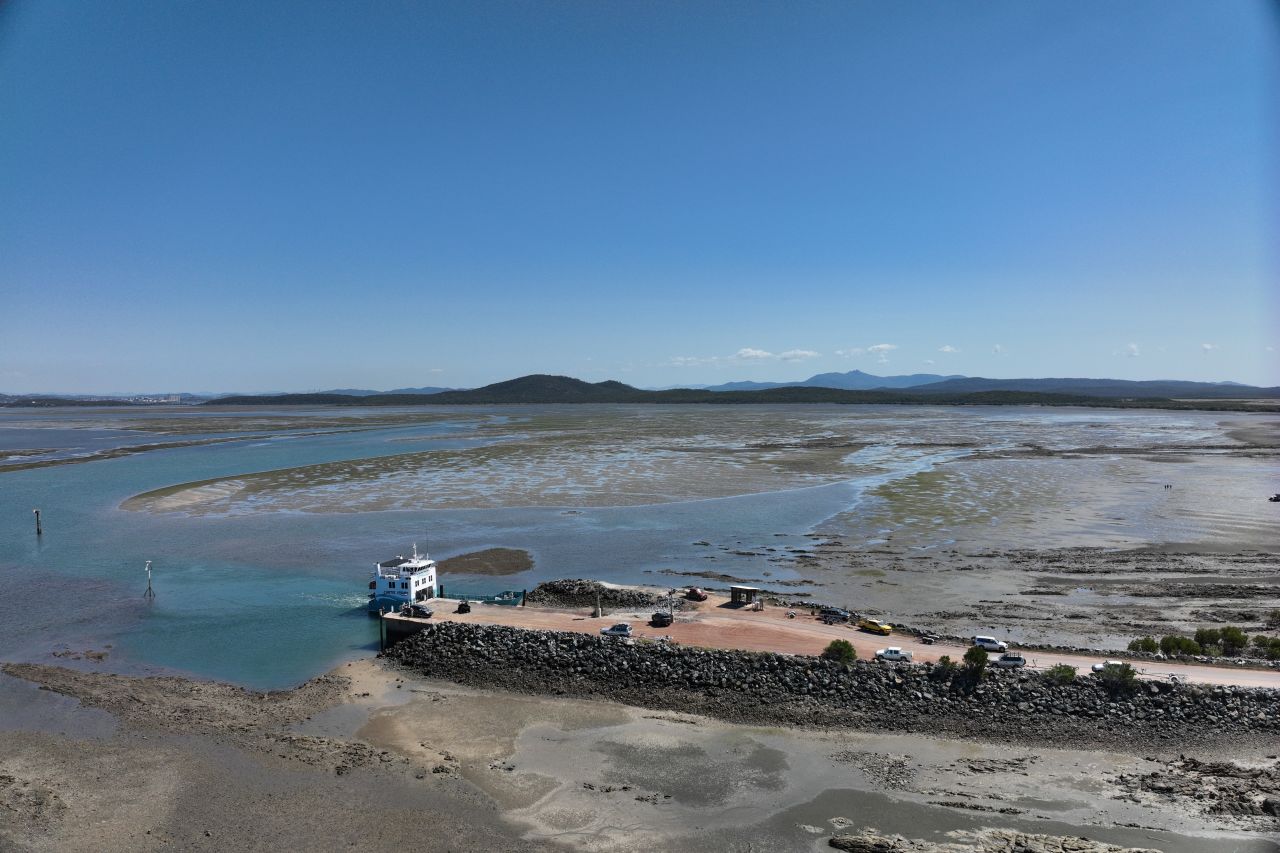
Aerial imagery of seagrass meadows can help us track changes and understand potential environmental impacts. Credit: Conor MacDonnell
#Can robots help us replant seagrass?
Restoring seagrass might seem simple enough – just put the plants or seeds back in the water and give them a chance to grow. But as anyone working to restore a natural habitat knows, it’s rarely that straightforward.
Planting seagrass can be labour-intensive, and finding the right time to plant depends on tides, waves and weather. In tropical northern Queensland, we even have to contend with crocodiles! This can make accessing some seagrass meadows tricky and limits our opportunities for hands-on restoration.
It might sound like science fiction, but robotics could help us overcome some of these challenges. Through our first trials with Mako, a special seagrass planting robot, we’re exploring whether it could make planting faster and more accessible, even in challenging weather and sea conditions.
#What can we learn from seagrass restoration around the world?
Seagrass decline isn’t just a challenge for the Great Barrier Reef. Around the world, people are working to protect these important underwater meadows and understand how seagrass grows and recovers.
Which approaches work best? What gives new plants the best chance of survival? And how do we know if restoration is making a lasting difference? There’s no one-size-fits-all solution for seagrass. Different species, local conditions and the pressures facing each meadow all play a part. But that doesn’t mean we have to start from scratch every time.
By sharing knowledge and testing ideas in new places, we can build on what’s already been learned and discover what works best in different environments. For example, our project to restore tropical seagrass meadows south of Cairns is trialing methods developed through restoration work in Western Australia and overseas to see how well they could work in Queensland. By learning from each other and seeing how these ideas work in different conditions, we can build a clearer picture of what gives seagrass the best chance to recover.
#Protecting seagrass for the future
Restoring seagrass isn’t simply a matter of putting plants back in the water. It’s about understanding why meadows decline, protecting the habitats that remain and finding ways to help damaged areas recover and thrive.
That means bringing together different pieces of the puzzle: understanding how seagrass responds to changing climate, recognising the wildlife and communities that depend on healthy meadows, improving how we monitor changes and exploring new tools, including robotics, that could help us restore habitats more effectively.
There is still much to learn, and restoration takes time. But every new insight helps us better understand what seagrass needs to survive and how we can support its recovery for generations to come.
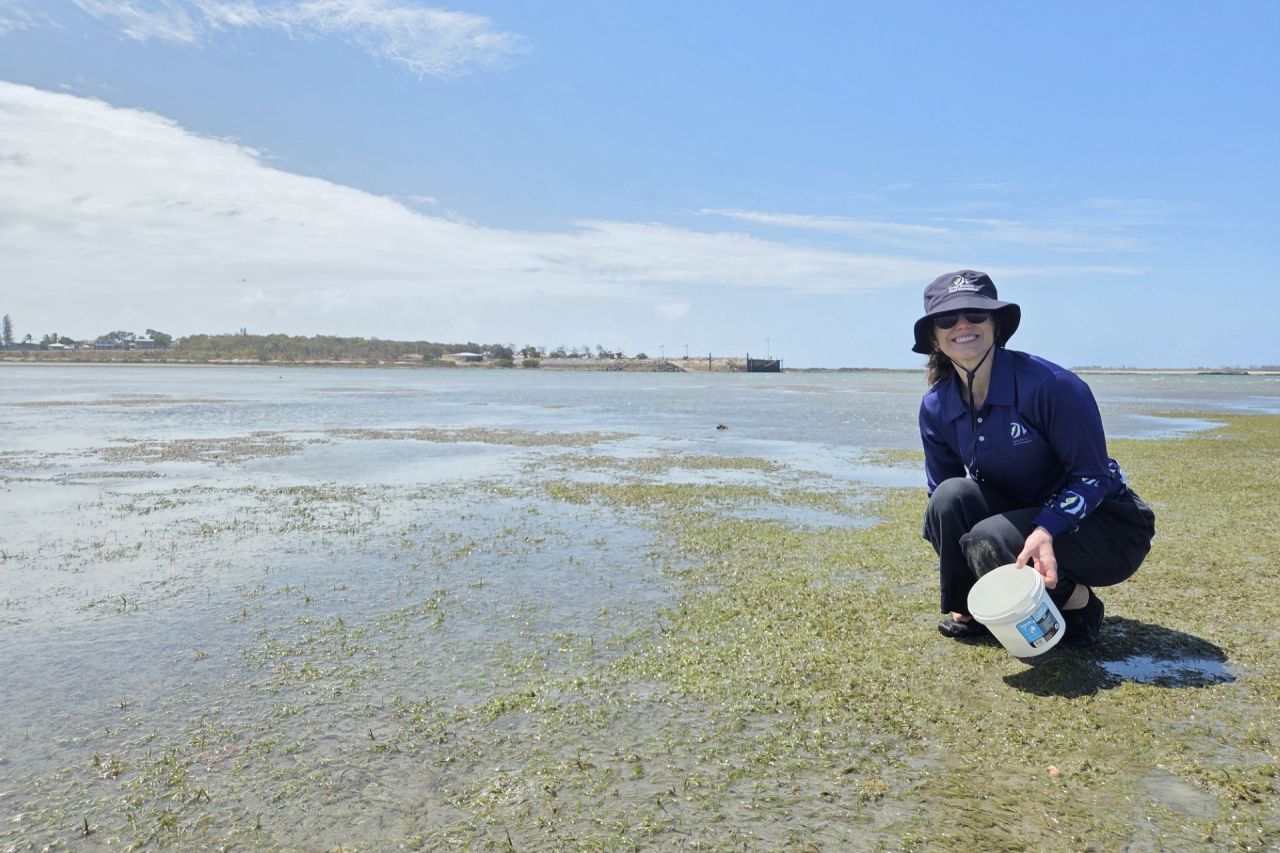
Seagrass program manager Susie Gore collects seagrass flowers at Gladstone Harbour meadows.
#What can I do to help the Great Barrier Reef?
The Great Barrier Reef is under more pressure than ever. Rising ocean temperatures among other threats are pushing this living ecosystem to its limits.
Your donation could help accelerate the research, testing and field trials needed to understand how to turn promising science into real-world solutions for the future of the Great Barrier Reef.