What the research is about
Our intestine has a remarkable ability to repair themselves after injury. However, when inflammation persists or the damage is severe, this natural healing process may not be enough. In response, researchers are exploring regenerative medicine that uses a patient’s own cells to help restore damaged intestinal tissue.
A key technology in this field is the intestinal organoid. An intestinal organoid is a tiny, three-dimensional tissue grown from a patient’s cells in the laboratory that mimics the structure and function of the intestine. Organoids are already used to study diseases and test new medicines, and in the future they could also be used to repair damaged intestine.
Intestinal organoids were first developed in 2009 and have greatly advanced research on gastrointestinal diseases. However, using them in regenerative medicine requires the stable production of large numbers of organoids with the quality needed for clinical use. Conventional culture methods rely on mouse-derived materials and expensive, unstable proteins, creating challenges for safety, quality, and manufacturing costs.
To address these issues, a research team led by Lecturer Tomohiro Mizutani at Institute of Science Tokyo (Science Tokyo) developed a new culture method that uses safer materials to efficiently produce large numbers of patient-derived intestinal organoids. Their goal was to establish an important foundation for future regenerative therapies.
Why this matters
The researchers succeeded in producing intestinal organoids suitable for therapeutic applications by using clinical-grade collagen as the culture matrix. Although generating organoids from patients with ulcerative colitis, an inflammatory bowel disease, has been considered particularly challenging, their method achieved a high success rate of about 80%.
The team also replaced the expensive and difficult-to-handle proteins traditionally used for organoid culture with PG-008, a small and stable peptide. As a result, they successfully established stable intestinal organoid cultures from every ulcerative colitis patient sample tested. They also found that the resulting organoids could be expanded more efficiently than before.
In addition, the researchers showed for the first time that organoids produced with this culture method contain high levels of not only the stem cells that normally maintain the intestine, but also a special type of stem cell that emerges in response to injury and helps repair damaged tissue. Until now, these injury-responsive stem cells have been difficult to maintain in culture and study in detail.
This new culture system allows researchers to investigate how these cells help repair damaged intestine. The findings are expected to deepen our understanding of the intestine’s natural healing mechanisms and support the development of more effective regenerative therapies.
What’s next
The newly established culture method is expected to accelerate the development of regenerative medicine that uses a patient’s own cells to repair intestinal tissues damaged by conditions such as inflammatory bowel disease.
In addition, the ability to produce sufficient numbers of patient-specific organoids could enable personalized medicine, helping identify medicines best suited to each individual patient. It may also contribute to the development of new drugs.
Comment from the researcher
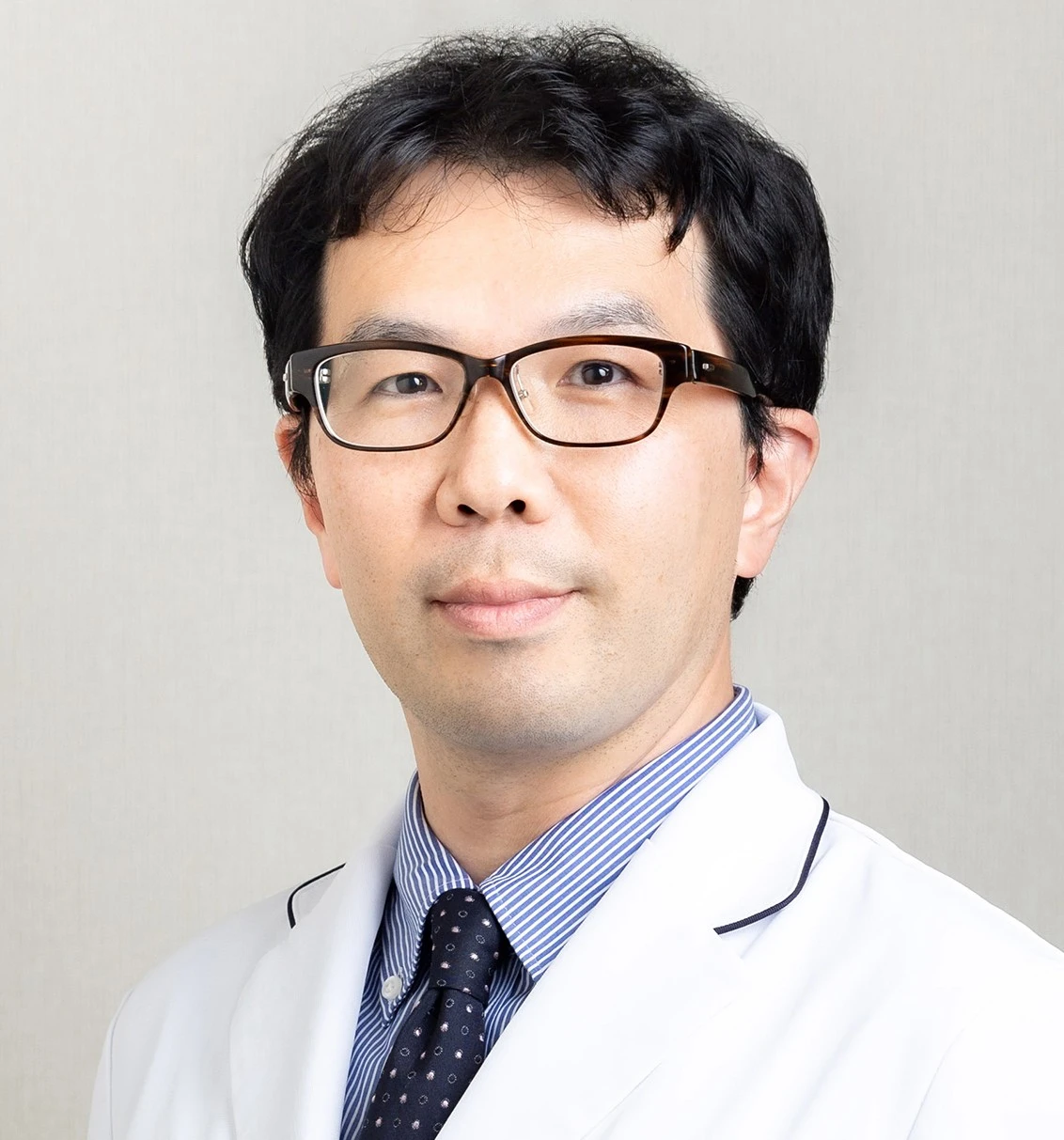
Our intestine constantly produces new cells that form and maintain the intestinal tissue and repair damage. However, once intestinal cells are taken out of the body, it is not easy to grow and expand them in the laboratory. In this study, we focused on a peptide that supports cell growth and established a culture method that enables stable expansion of the stem cells that generates new intestinal cells. We hope this technology will not only advance our understanding of how the intestine regenerates itself, but also lead to safe new regenerative therapies using a patient’s own cells.
(Tomohiro Mizutani, Department of Gastroenterology and Hepatology, Institute of Science Tokyo)
Dive deeper
Explore more research in Science for All
Science for All showcases cutting-edge research at Science Tokyo and highlights the ideas, people, and possibilities shaping the future.